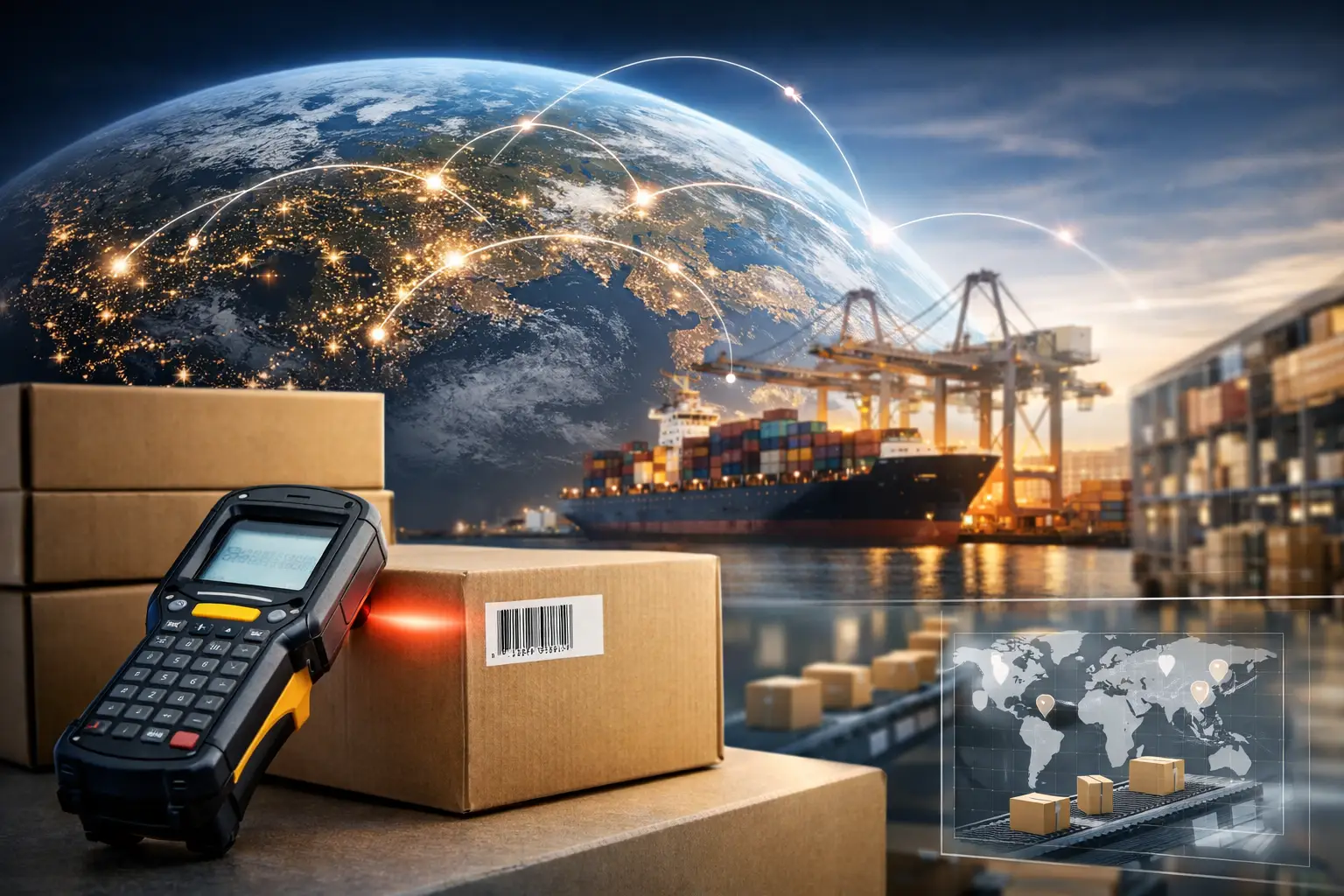
A shipment leaves on time, the carrier confirms pickup, and the handoff looks clean on paper. Then the calls start. Where is it now? Was the temperature maintained? Did the pallet sit too long on a hot tarmac? Has the trailer door been opened? The gap between “in transit” and “delivered” is where margin, customer trust, and product integrity are often lost. A supply chain visibility platform exists to close that gap.
For logistics leaders, visibility is not a dashboard vanity metric. It is operational control. If your team cannot see where a shipment is, what condition it is in, and whether something changed during transit, you are managing by assumption. That works until a late delivery becomes a rejected load, a temperature excursion becomes a compliance issue, or a tamper event becomes a theft claim.
What a supply chain visibility platform actually does
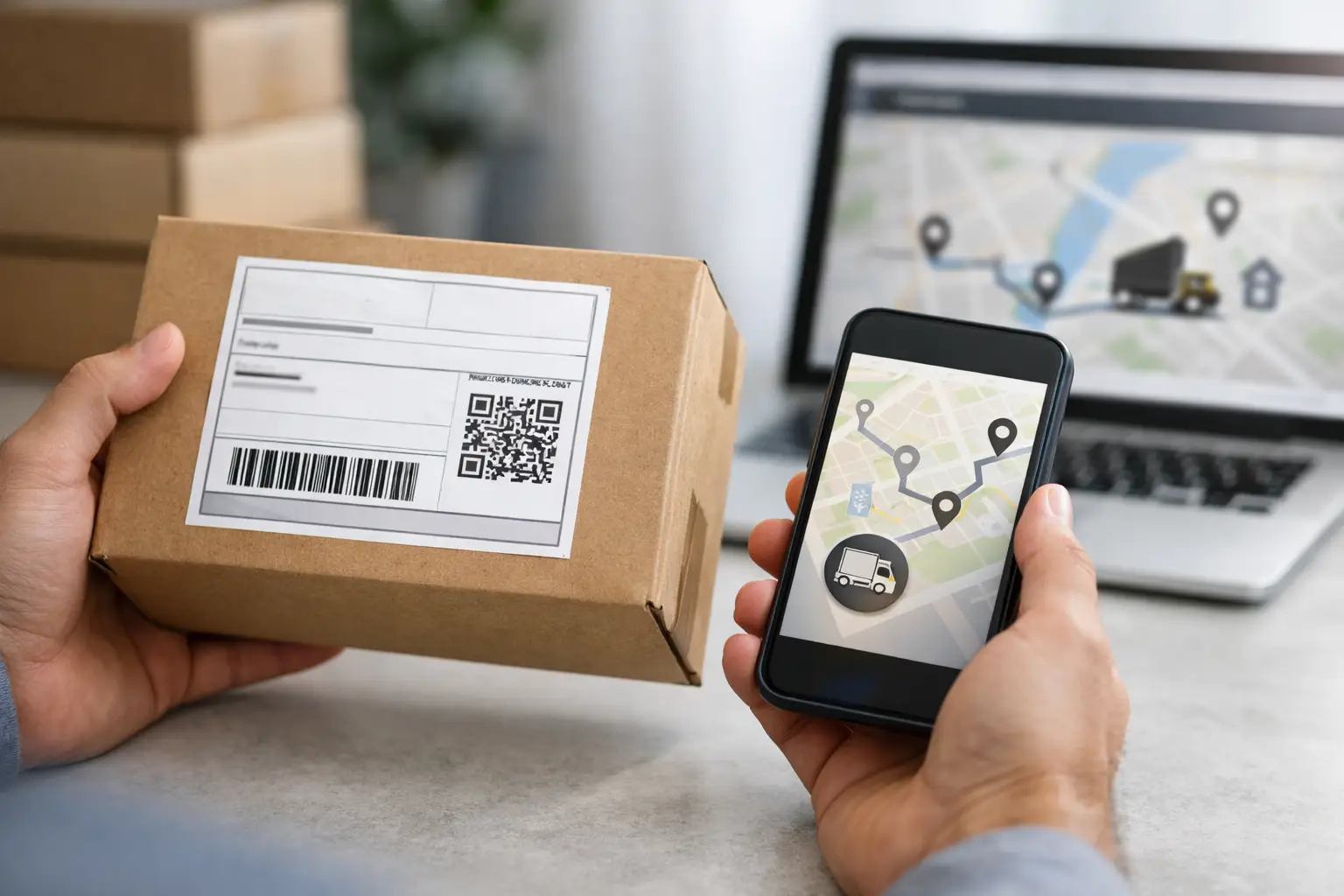
At its core, a supply chain visibility platform turns moving freight into live operational data. It combines location tracking, condition monitoring, alerts, and shipment history into one operating view. The goal is simple: know what is happening before the problem reaches your customer.
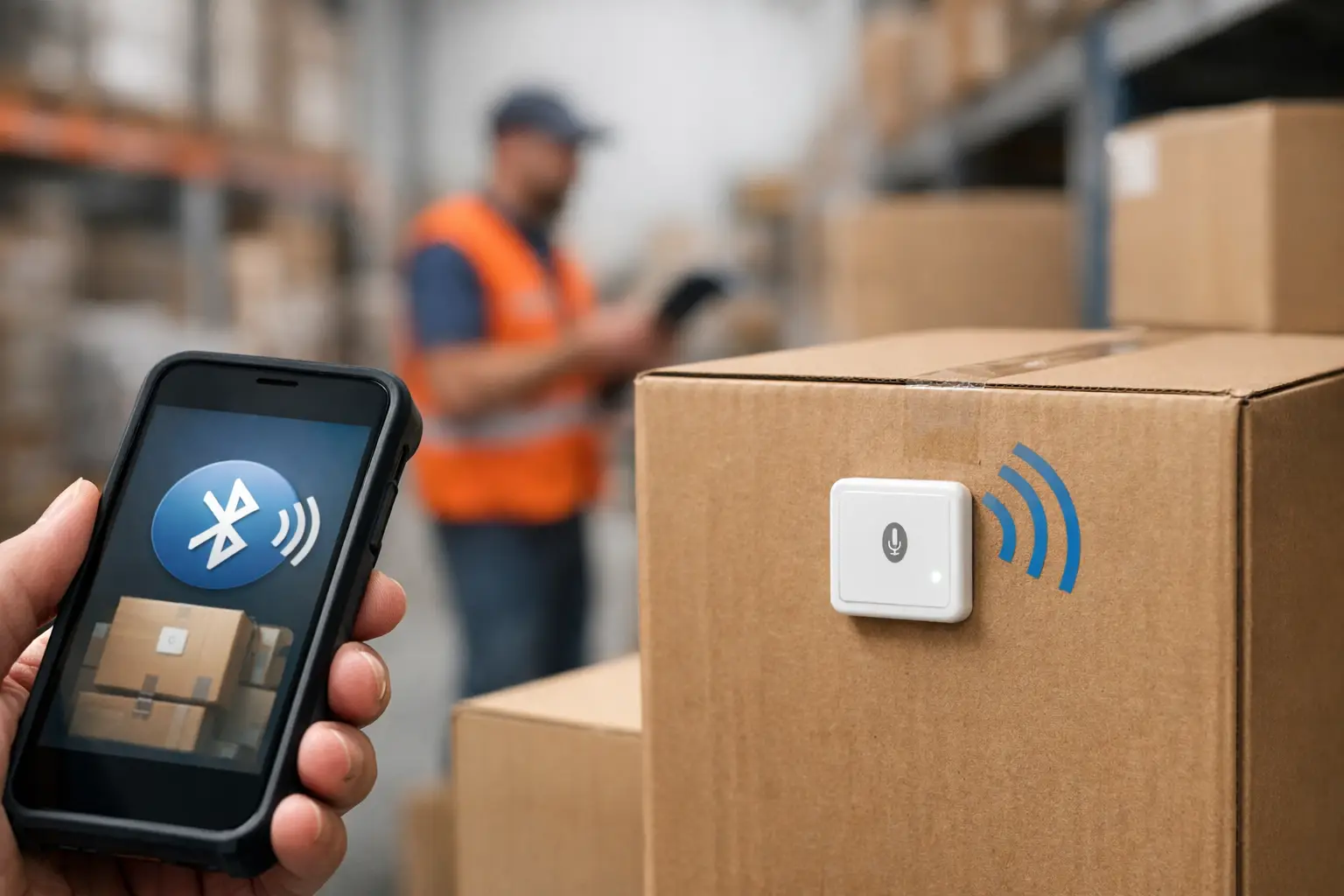
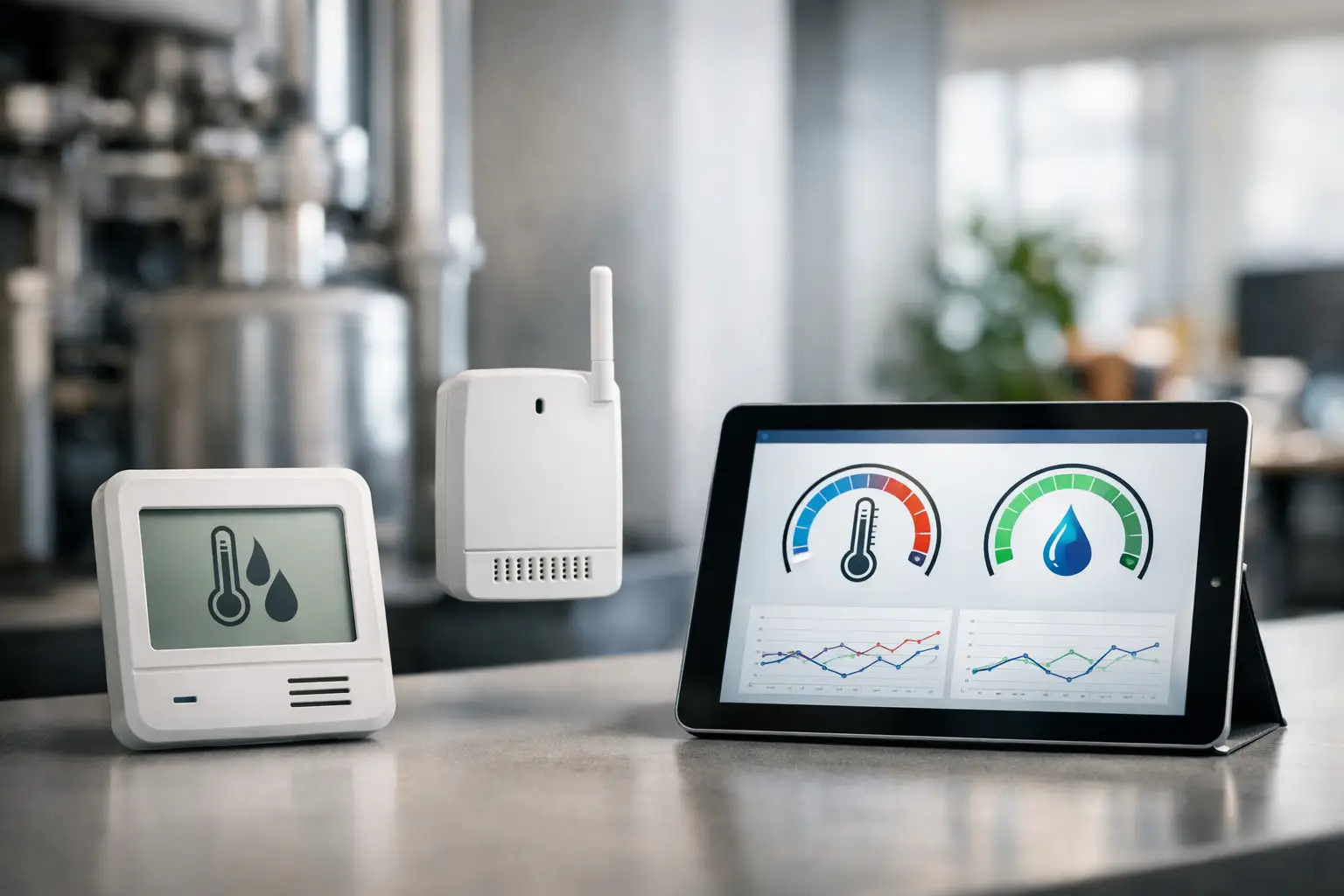
That sounds straightforward, but the real value depends on how the platform captures data. Basic milestone visibility can tell you when a shipment was scanned at departure or arrival. That helps with reporting, but it does not tell you much about what happened between those points. A stronger platform tracks in transit movement continuously or near real time and pairs location with environmental and handling data such as temperature, humidity, light exposure, vibration, battery status, and tamper events.
That difference matters most with sensitive cargo. Pharmaceuticals, biologics, fresh food, electronics, and high-value goods do not fail only because they arrive late. They fail because something happened along the way and no one saw it early enough to act.
Why visibility alone is not enough
Many companies already have some form of tracking. They receive carrier updates, EDI milestones, or a map from a telematics provider. That is useful, but partial visibility creates a false sense of security.
A truck location does not confirm product condition. A delivery timestamp does not validate that the shipment stayed within range. A warehouse scan does not reveal if a carton was dropped, exposed to light, or opened unexpectedly. If your team still has to chase carriers, reconcile spreadsheets, and wait for a complaint to understand what happened, you do not have real control.
A supply chain visibility platform should do more than display data. It should help teams detect exceptions, prioritize risk, and respond fast enough to change the outcome. That is the dividing line between passive reporting and active in-transit risk management.
The operational problems the right platform solves
The most immediate problem is blind spots between handoffs. Multimodal freight creates long periods where accountability gets fuzzy. One provider may control pickup, another the airport transfer, another the final mile. With each handoff, the risk of delay, mishandling, or undocumented exposure increases.
A visibility platform gives your team a single record of movement and condition across those transitions. That matters when a customer challenges a delivery, a QA team needs chain-of-custody proof, or an insurer asks for evidence after a loss event.
It also solves the problem of slow exception response. By the time many teams learn a shipment is off route or out of temperature range, the product is already compromised. Real-time alerting changes the workflow. Instead of investigating after the fact, operations teams can escalate to a carrier, redirect a shipment, notify a consignee, or prepare contingency inventory before the failure expands.
Then there is the issue of delivery validation. In high-stakes shipping environments, proof of delivery is not always enough. You may need proof that the cargo arrived intact, unopened, and within environmental thresholds. That level of validation reduces disputes and gives both operations and customer service teams something stronger than a signed receipt.
What to look for in a supply chain visibility platform
The best platform for your business depends on your cargo profile, network complexity, and response model. A company shipping shelf-stable goods with low theft exposure does not need the same setup as a cold chain operator moving biologics through multiple airports. Still, a few capabilities separate serious platforms from software that only looks useful in a demo.
First, the platform must capture both location and condition. If it only tells you where something is, you are missing half the risk picture. For critical freight, environmental sensing and event detection are not extras. They are part of the chain of evidence.
Second, the data has to arrive in time to support intervention. Delayed updates may satisfy reporting requirements, but they are weak for active control. The right cadence depends on the shipment value and transit risk. Some lanes justify tighter reporting intervals than others.
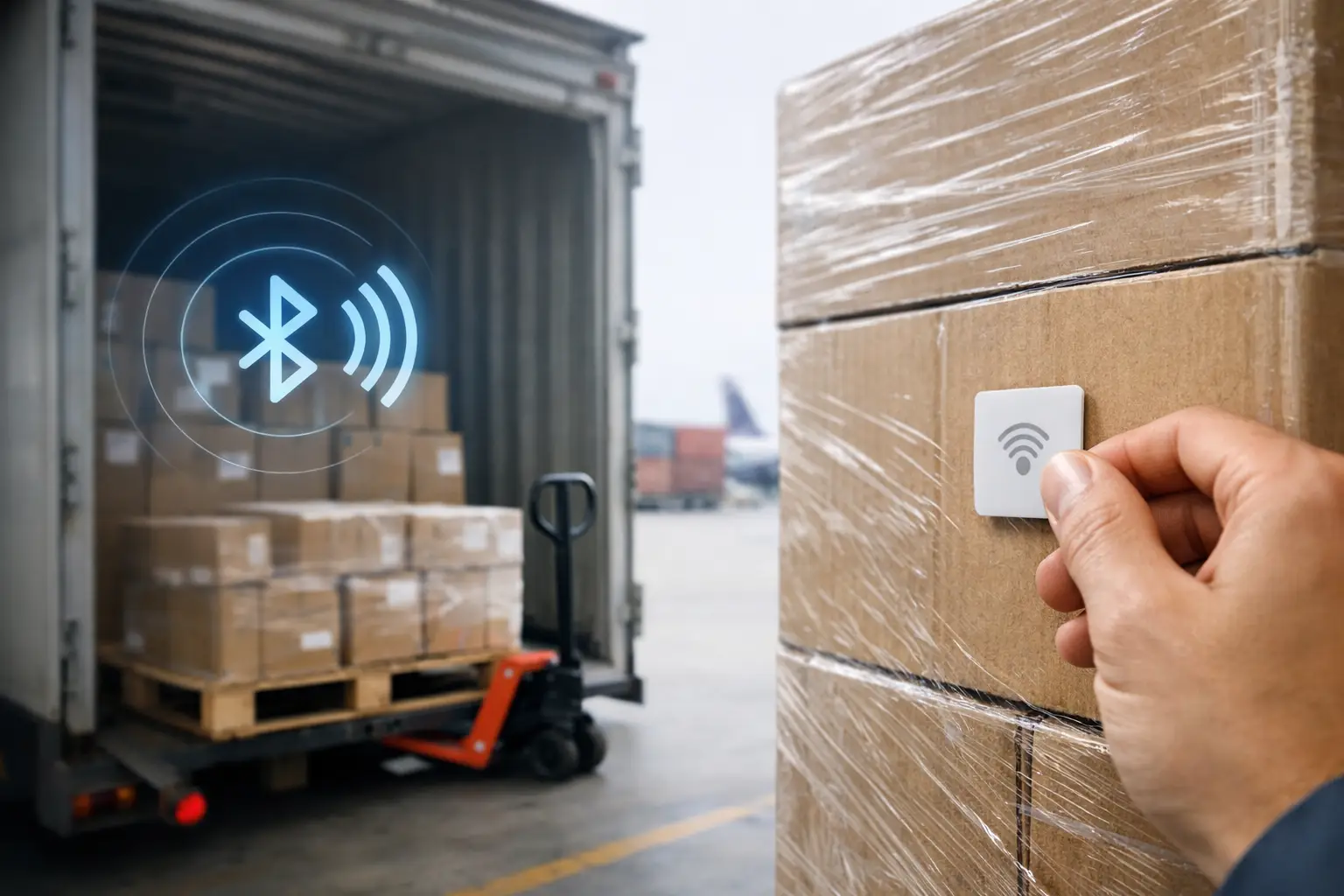
Third, the hardware and connectivity model matter more than many buyers expect. A platform is only as useful as the quality of the field data feeding it. If devices are difficult to deploy, unreliable across borders, or impractical for one-way shipments, adoption drops fast. This is why end-to-end solutions often outperform disconnected stacks of trackers, SIM plans, and software licenses. The closer the fit between device, network, and platform, the fewer operational gaps your team has to manage.
Fourth, alerts should be actionable, not noisy. Too many notifications train teams to ignore real issues. Too few leave you exposed. Good exception management is about threshold design, escalation logic, and context. A 20-minute temperature deviation may be critical for one product and irrelevant for another.
Finally, reporting should support decisions, not just audits. Historical shipment data is valuable when it helps identify recurring weak points by lane, carrier, route, packaging type, or handoff location. If your platform cannot help you reduce future losses, it is only documenting past ones.
Where companies often get the decision wrong
A common mistake is buying for visibility and discovering later that the real requirement was accountability. Teams start with a broad goal like “track all shipments” but fail to define what they need to detect, prove, or prevent. As a result, they choose a system that shows movement but does not support QA review, theft investigation, or condition-based intervention.
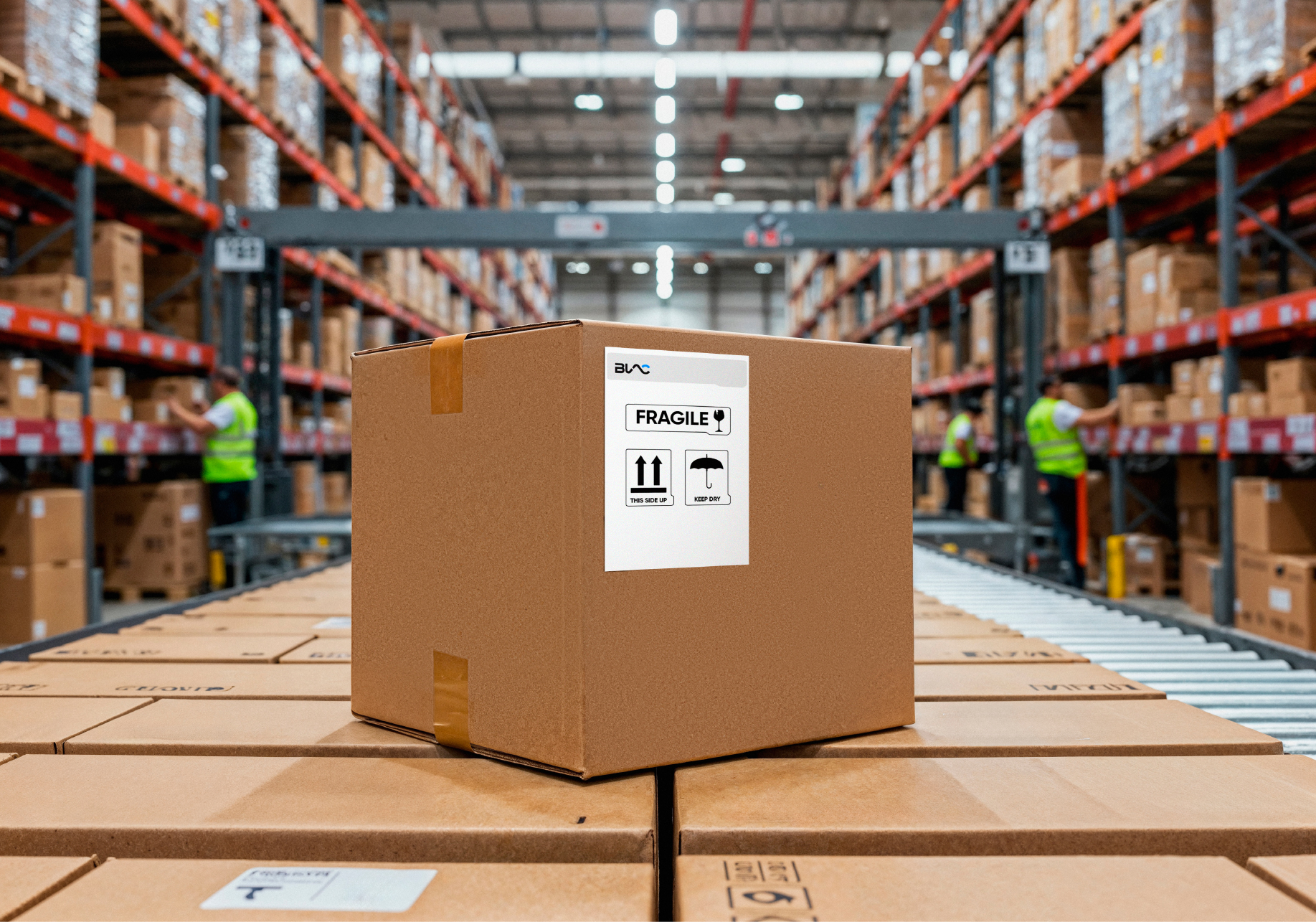
Another mistake is treating hardware as a side issue. In cargo monitoring, device choice shapes the quality of your visibility. Disposable smart labels, reusable portable devices, and sensor configurations each fit different shipping patterns. Cost per shipment matters, but so does deployment simplicity, battery life, sensor accuracy, and whether the device suits air, ocean, road, or parcel movement.
Some organizations also underestimate the change management side. A platform does not create control if no one owns alert response, escalation timing, or recovery actions. Visibility without workflow discipline creates more data, not better outcomes.
Why end-to-end visibility changes the economics of risk
When teams can detect potential damage before delivery, the financial effect is broader than the value of one saved shipment. Claims handling drops. Customer escalations decrease. Replacements and expedited reshipments become less frequent. QA teams spend less time reconstructing events. Carrier conversations become more factual because evidence replaces assumption.
That is especially true for high-value, time-sensitive, and regulated cargo. In these environments, one incident can trigger write-offs, customer penalties, stockouts, or compliance exposure. Real-time intelligence reduces the chance that a small in-transit issue turns into a larger commercial problem.
This is where companies like Blac stand apart when the model is built as a complete visibility stack rather than a standalone tracker. When sensing devices, connectivity, platform software, and operational support are aligned, logistics teams gain a clearer chain of evidence and a faster path from alert to action.
The practical question to ask before you buy
Do not start by asking which platform has the most features. Start by asking which shipments create the most business risk when they go dark or arrive compromised. That answer usually points to the right pilot.
For some companies, the highest-value use case is cold chain compliance. For others, it is theft prevention on vulnerable lanes, delivery validation for premium customers, or damage detection on fragile goods. A strong supply chain visibility platform should fit those operational priorities, not force your team into a generic monitoring model.
Control is not the same as more data. Control means your team can see the shipment, understand the risk, and act while the shipment still matters. That is the standard worth buying against.
The most useful next step is not to monitor everything at once. It is to identify where uncertainty is costing you the most and put visibility there first.