Category: Cargo Visibility

  • Cargo Monitoring Technology Trends That Matter

    Cargo Monitoring Technology Trends That Matter

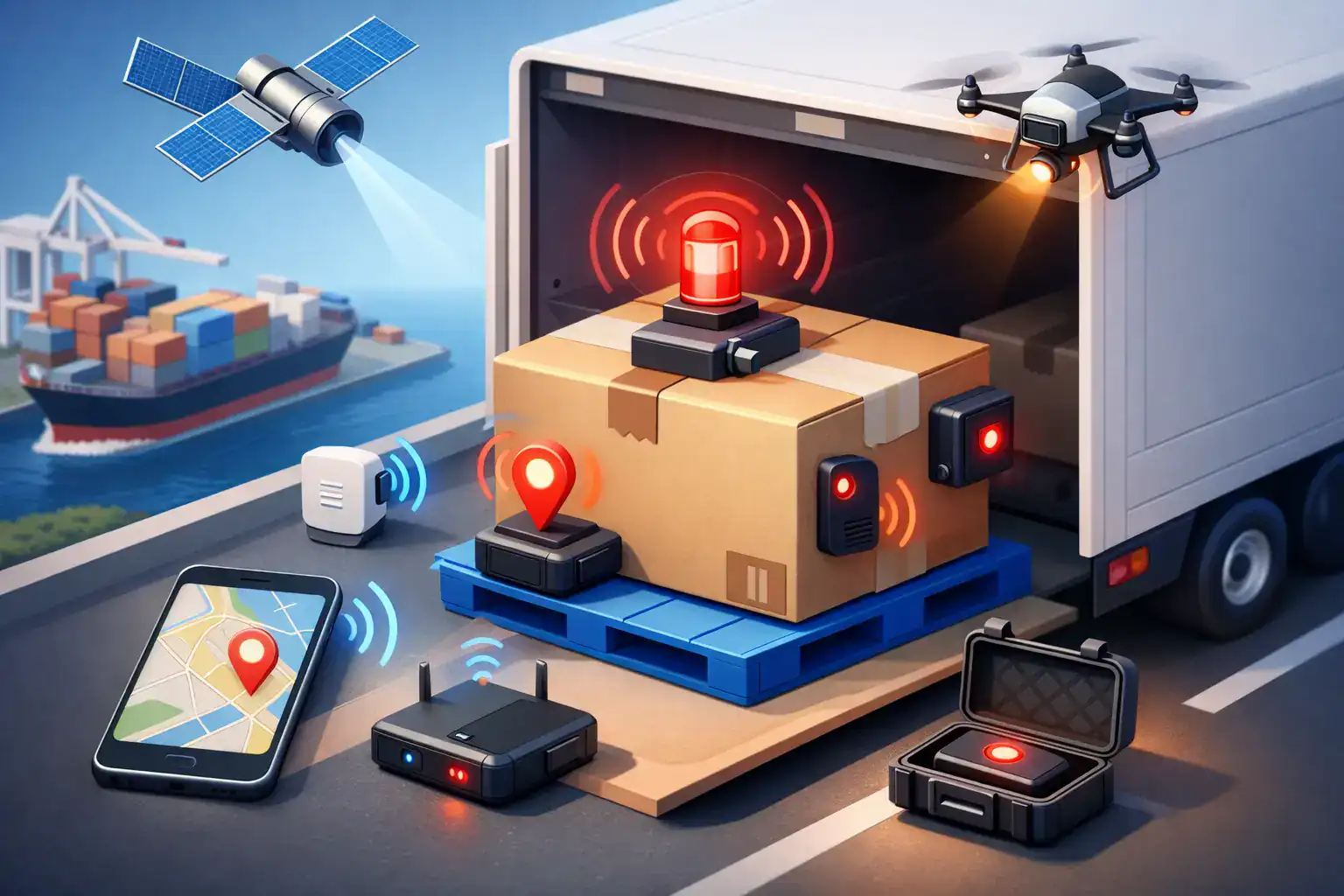
    A shipment can arrive on time and still fail the customer. A temperature excursion, unapproved door opening, impact event, or extended dwell can turn a seemingly successful delivery into a claim, rejection, or compliance problem. That is why cargo monitoring technology trends are moving beyond basic location pings toward continuous evidence of what happened to cargo while it was in transit.

    For logistics leaders, the question is no longer whether a shipment can be tracked. The question is whether the team can detect a risk early enough to protect the shipment, validate the outcome, and improve the next move. The technologies gaining ground are those that convert field-level signals into decisions operators can act on.

    Cargo monitoring technology trends are becoming operational controls

    Traditional tracking solved a narrow problem: finding an asset or shipment at a point in time. Modern cargo intelligence is expected to answer more demanding questions. Is the freight within its approved temperature range? Did the load experience a damaging shock? Was a trailer or package opened outside an authorized location? Is the shipment delayed at a handoff, and does the delay put product quality or customer commitments at risk?

    This shift matters because freight networks are more fragmented than most shipment plans suggest. Cargo can pass through carriers, terminals, warehouses, customs processes, airport ramps, and final-mile operators before delivery. Every transfer creates another blind spot. Real-time, connected monitoring gives teams a way to retain oversight even when they do not physically control the cargo.

    The practical trend is not more data for its own sake. It is monitored exceptions tied to specific operating rules. A supply chain team does not need to study a stream of sensor readings all day. It needs a clear alert when a threshold is breached, a location reference for the event, and enough context to decide who should intervene.

    Condition monitoring is expanding beyond temperature

    Temperature remains central for pharmaceuticals, biologics, fresh food, chemicals, and other sensitive freight. But temperature alone cannot explain every quality failure. Cargo monitoring programs are adding humidity, light exposure, vibration, shock, tilt, tamper events, and battery status to build a more complete picture of shipment integrity.

    For example, a refrigerated shipment may remain within its temperature band while excessive vibration damages its packaging or sensitive components. A high-value electronics shipment may not require refrigeration, but a light event during an unauthorized stop can indicate potential tampering. Monitoring multiple conditions allows operators to distinguish between a routine transit variation and a meaningful risk event.

    The trade-off is straightforward. More sensors create more potential signals, and not every shipment needs every measurement. A low-risk domestic replenishment load may only need location and delivery confirmation. A clinical trial shipment, high-value component load, or export consignment moving through multiple handoffs may justify a broader sensor profile. The right deployment matches the monitoring device and alert rules to the cargo’s value, fragility, regulatory exposure, and route risk.

    Disposable smart labels are making monitoring more scalable

    Reusable trackers remain useful for recurring lanes, returnable assets, and high-value freight. However, disposable smart labels and compact connected devices are expanding the reach of cargo monitoring to shipments where reverse logistics is impractical or too expensive.

    This matters in global trade, where recovering a device after delivery can add cost, delay, and administrative friction. A smart label can travel with an individual carton, pallet, or shipment and provide a digital record without requiring the consignee to return hardware. That creates a practical path for monitoring more shipments, not just the most exceptional ones.

    Scalability still depends on process discipline. Teams need clear rules for device assignment, shipment association, activation, and disposition. If a device is not correctly tied to the shipment record, even excellent data loses value. The strongest programs treat device deployment as part of the shipping workflow, not an extra task performed inconsistently at the dock.

    Cellular, GPS, and Wi-Fi are working together

    No single positioning method performs perfectly across every freight environment. GPS is highly valuable outdoors and during road movement, but it can lose effectiveness inside warehouses, aircraft facilities, port structures, and dense urban areas. Cellular connectivity can transmit data over broad areas, while Wi-Fi signals can provide useful context in facilities and populated locations.

    The trend is toward layered connectivity and location intelligence rather than dependence on a single signal. This gives operators better continuity from origin through transit, dwell periods, and delivery. It also improves the ability to understand where an event occurred, which is essential when determining responsibility across carriers and handling partners.

    Global operations require a realistic view of coverage. Connectivity depends on route, country, carrier infrastructure, building conditions, and transport mode. Technology should be evaluated against actual lanes, including known problem areas such as ports, cross-docks, remote roads, and extended ocean movements. A solution that performs well in a controlled test but cannot support the real operating environment will not deliver control when it matters.

    Event-based alerts are replacing passive tracking

    A map with hundreds of moving shipment dots does not automatically improve performance. Operations teams need prioritized exceptions. Event-based monitoring is gaining traction because it directs attention to the shipments that require action now.

    Useful alert logic can include temperature breaches, unexpected stops, route deviations, extended dwell, unauthorized opening, impacts above a defined threshold, and missed delivery windows. Alerts should be configured around operational ownership. If a freight forwarder manages a transfer, the alert should reach the person who can contact the relevant party. If quality assurance must assess a temperature event, the record should include the information needed to make that assessment quickly.

    Alert design needs restraint. Overly sensitive thresholds create alert fatigue, and teams eventually stop trusting the system. Thresholds should reflect the cargo’s actual tolerance and the response window available. A two-minute temperature fluctuation may require investigation for one product and be operationally irrelevant for another. Start with the failures that carry the highest cost, then refine rules with real shipment data.

    Delivery validation is becoming a commercial requirement

    Disputes often begin after the freight has left the carrier’s custody. A receiver may report damage, missing product, temperature concerns, or a late delivery. Without an objective transit record, determining what happened can become slow, expensive, and adversarial.

    Connected cargo monitoring creates a defensible chain of evidence. Location history, arrival timing, environmental readings, light events, and impact data can help confirm whether the shipment was handled within expected conditions. This does not eliminate every claim, but it gives shippers stronger facts for conversations with carriers, insurers, receivers, and internal quality teams.

    For customer-facing operations, delivery validation also protects service credibility. Teams can respond to a complaint with documented shipment intelligence instead of assumptions. That is especially valuable when serving customers with strict quality standards or contractual performance requirements.

    Cargo monitoring technology trends will rely on actionable platforms

    Hardware generates signals. Operational value comes from the platform that organizes those signals into a usable view of the shipment. Decision-makers increasingly need a single environment where teams can see device status, shipment location, condition data, alerts, history, and evidence of delivery.

    A self-service platform is particularly important when monitoring expands across regions, products, and transport modes. Logistics, quality, security, and customer service may all need different views of the same event. The platform should make it easy to filter by lane, customer, shipment status, device type, or risk condition without forcing teams to assemble data manually from disconnected systems.

    Integration also matters, but it should serve a defined workflow. Connecting monitoring data to a transportation management system, warehouse platform, quality system, or customer portal can reduce manual work and speed up escalation. Yet integrations should follow a clear use case. Connecting every available data source without ownership or response rules can create complexity without improving outcomes.

    Blac approaches this requirement as an end-to-end visibility stack: connected monitoring devices, global connectivity, a centralized platform, and operational support designed to help teams act on shipment intelligence.

    The next advantage is faster intervention

    The most valuable cargo monitoring programs do not measure success by the number of devices deployed. They measure whether the organization prevented loss, reduced claim exposure, protected product quality, and improved delivery reliability.

    Begin with the shipments where a blind spot has real consequences: temperature-sensitive loads, high-value goods, critical customer orders, theft-prone lanes, and freight with repeated damage claims. Define what conditions are unacceptable, who owns each alert, and what action must happen within the response window. Then use the resulting event history to improve carrier selection, packaging, routing, handoff procedures, and customer communication.

    Control is earned before the shipment reaches its destination. When monitoring technology gives teams timely, credible evidence and a clear path to intervene, cargo stops being a black box in transit and becomes an operation they can actively protect.
  • Battery Life for Shipment Sensors That Last

    Battery Life for Shipment Sensors That Last

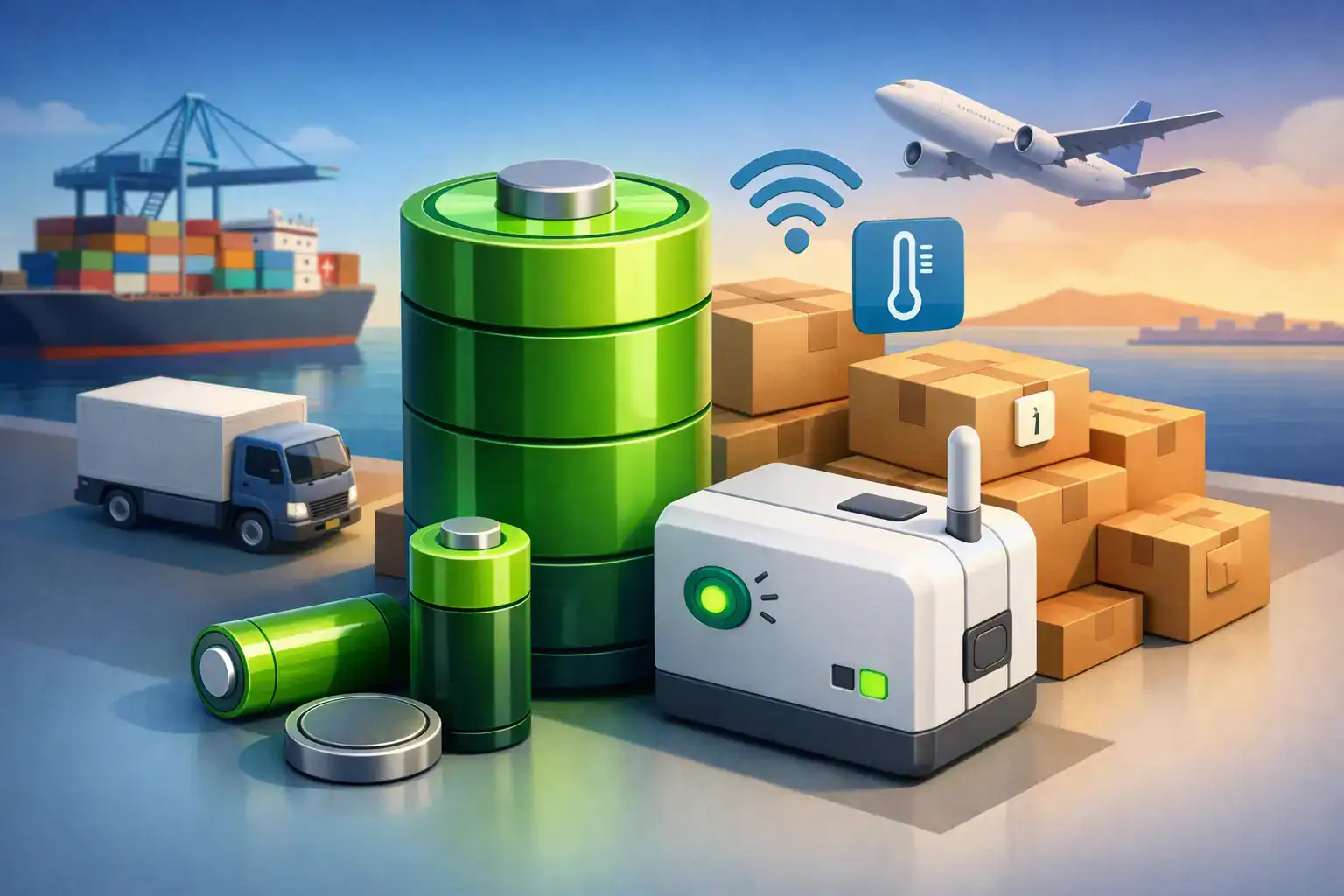
    A temperature excursion at 3:00 a.m. is only useful if the sensor is still reporting at 3:00 a.m. Battery life for shipment sensors is not a device specification to review after procurement. It defines how long your team can maintain location, condition, and security visibility before a shipment reaches its destination.

    For high-value, temperature-sensitive, or theft-prone cargo, a sensor that stops transmitting early creates the same operational problem as no sensor at all. The shipment may still be moving, temperatures may still be drifting, and a door may still have opened – but the control center has lost the ability to detect and act. The right battery strategy protects the full monitoring window, including delays that were not in the original route plan.

    Why Battery Life for Shipment Sensors Is an Operational Issue

    A published battery-life estimate is usually based on a defined reporting schedule and normal network conditions. Real freight does not always follow those conditions. A shipment can sit in a congested port, wait through a missed connection, move through areas with limited cellular coverage, or spend days in a warehouse before final delivery. Each event can change power consumption and extend the time the device must remain active.

    That is why operational teams should evaluate battery life against the complete risk window, not the planned transit time. If a lane normally takes five days but can take 12 during seasonal congestion, a sensor designed for a five-day mission leaves no room for recovery. The same principle applies to returns, customs holds, delivery exceptions, and claims investigations that require proof after the shipment arrives.

    Battery life also affects the quality of your evidence. A device that continues to collect and transmit data through final handoff can validate delivery, document a temperature breach, and support a claim or quality review. A device that goes silent before the critical event leaves the team to reconstruct what happened from incomplete records.

    What Drains a Shipment Sensor Battery

    The largest driver of power use is usually how often the device communicates. A sensor that reports its position every 15 minutes consumes more energy than one reporting every six hours. Neither setting is automatically correct. The right interval depends on cargo value, route risk, response capability, and how quickly a team needs to act on an exception.

    Location methods matter as well. GPS positioning can require more power than a simple cellular-based location estimate, particularly when a device must repeatedly search for satellites. Wi-Fi scanning, Bluetooth activity, and frequent network registration can add to the load. A sensor using multiple technologies can provide stronger visibility, but the configuration must match the mission rather than run every feature at maximum frequency by default.

    Sensor readings also consume energy, although often less than communications. Temperature monitoring at controlled intervals is typically efficient. Power demand rises when a device records several conditions at high frequency, such as humidity, light exposure, vibration, tilt, and tamper events. These data points can be essential for proving cargo condition, but teams should specify the readings that support a real operational decision.

    Poor connectivity is another hidden drain. When a device struggles to reach a cellular network, it may attempt to reconnect repeatedly. Freight moving through remote roads, below-deck vessel storage, dense urban areas, or shielded facilities can spend long periods outside reliable coverage. A well-designed monitoring plan accounts for stored data, transmission retries, and expected blackouts instead of assuming uninterrupted connectivity.

    Environmental conditions have an impact too. Extreme cold can reduce available battery capacity and slow electrochemical activity. High heat can affect battery performance and device reliability over time. For cold chain teams, the device must be selected and tested for the same temperature environment it is expected to monitor.

    Plan Power Around the Shipment, Not the Device

    Start with the longest credible shipment duration. This is not the carrier’s ideal transit estimate. It is the expected duration plus realistic delay exposure on that lane. Include origin staging, pre-cooling or loading time, line-haul transit, cross-docking, customs clearance, destination dwell, and final delivery. If the device will remain with the cargo for return logistics or reusable asset recovery, include that time as well.

    Next, define what your team must know during each stage. A pharmaceutical shipment may need regular temperature readings throughout the journey, with immediate escalation for excursions. A high-value electronics load may require a tighter location reporting interval when parked or stopped, plus alerts for light and tamper events. A lower-risk shipment may only need periodic location confirmation and final delivery validation.

    This approach prevents two common mistakes. The first is underconfiguring a device so the data arrives too late to be useful. The second is overconfiguring every shipment with high-frequency reporting that consumes battery without improving the response. Visibility should be proportional to risk and tied to an action plan.

    Use Adaptive Reporting Where Risk Changes

    A fixed reporting interval is simple, but logistics risk is rarely fixed. The greatest exposure may occur during pickup, at border crossings, during long stops, or in the final-mile handoff. Adaptive reporting can preserve battery during predictable movement while increasing update frequency when the shipment enters a higher-risk state.

    For example, a device can report less often during stable ocean transit, then report more frequently after arrival at port or when it detects an unexpected stop. It can also send an immediate message when a temperature threshold is exceeded, a container is opened, or a significant impact occurs. Event-based alerts deliver urgent intelligence without requiring constant high-rate transmissions throughout the entire trip.

    The trade-off is configuration discipline. More rules can produce more data and more alerts, which can overwhelm teams if thresholds are poorly set. Use alert logic that reflects actual escalation procedures. If no one can respond to a minor variance overnight, do not treat it like a shipment-critical exception.

    Match Device Type to the Mission

    Disposable smart labels, reusable trackers, and portable multi-sensor devices serve different power and operational needs. A single-use label can be effective for a defined journey where simple deployment, low recovery effort, and end-to-end proof are priorities. A reusable device may support longer missions and more intensive sensing, but it requires a process for retrieval, charging, inspection, and redeployment.

    The best choice depends on shipment frequency, transit duration, cargo value, and the practical ability to recover hardware. A reusable device with excellent battery capacity still fails the business case if it is routinely left behind or returned too late for the next shipment. Conversely, a disposable device can reduce handling friction where recovery is unreliable or global shipping lanes are complex.

    Evaluate Battery Claims With the Right Questions

    When comparing shipment sensors, ask for battery performance under a configuration similar to yours. A broad claim of “up to” a certain number of days or months is a starting point, not a deployment plan. Confirm the reporting frequency, location technologies enabled, sensor sampling intervals, network assumptions, and temperature range used in the estimate.

    Also ask what happens when connectivity is unavailable. The device should continue logging relevant information locally and transmit it when coverage returns, within its storage and power limits. This protects the shipment record during predictable coverage gaps and gives investigators a more complete timeline after an incident.

    Battery status itself should be visible in the monitoring platform. Teams need advance warning when a device is approaching a low-power condition, especially on long or delayed shipments. A low-battery alert is not just maintenance information. It is an early signal that the visibility plan may need intervention, such as changing handling instructions, prioritizing delivery, or preparing alternate evidence sources.

    Turn Power Data Into Better Control

    The strongest battery strategy connects device configuration to operating procedures. Define the minimum visibility period for each shipment class. Set reporting and alert rules by lane and risk profile. Review completed shipments to see whether devices maintained coverage through delivery and whether reporting frequency produced actionable decisions.

    This review often reveals practical improvements. A route with repeated coverage gaps may need different reporting behavior. A long dwell point may require more battery reserve. A shipment class with no meaningful exceptions may be using a level of monitoring that costs power without adding control. The goal is not to conserve battery at all costs. The goal is to preserve visibility until the point where cargo risk is truly over.

    Blac helps logistics teams align connected devices, cellular intelligence, and exception management around that outcome. Choose sensors that can support the real shipment window, configure them for the decisions your team must make, and maintain enough reserve for the delays that test every supply chain.

  • High-Value Cargo Theft Prevention Example

    High-Value Cargo Theft Prevention Example

    A high-value cargo theft prevention example starts before a truck leaves the facility. Consider a pharmaceutical shipment moving from a secure distribution center to an airport cross-dock. The load contains temperature-sensitive products, its delivery window is narrow, and the financial exposure is significant. A sealed trailer and a trusted carrier are necessary controls, but they do not answer the questions operations teams need answered in transit: Where is the shipment now? Has it stopped somewhere unplanned? Was the trailer opened? Is the cargo still within specification?

    For critical freight, theft prevention is not a single device or a checkpoint. It is an operating model that combines shipment intelligence, defined response ownership, and fast intervention. The goal is not merely to document a loss after it happens. The goal is to detect a developing exception early enough to change the outcome.

    A High-Value Cargo Theft Prevention Example in Action

    A life sciences shipper is moving a palletized load of specialty medicine from Chicago to a coastal airport for an international flight. The shipment is assigned a planned route, approved pickup and drop-off points, and a time-based delivery expectation. Before loading, the operations team places a connected monitoring device inside the shipment or trailer, depending on the risk profile and the level of visibility required.

    The device reports location through cellular, GPS, and Wi-Fi signals. It also monitors light exposure, temperature, humidity, vibration, battery status, and tamper-related events. The shipment record in the visibility platform includes the intended route, destination, delivery deadline, contacts, and escalation rules.

    Two hours into transit, the truck exits the expected corridor and stops in an industrial area that is not an approved fuel stop, secure yard, or customer location. A route-deviation alert is generated. Several minutes later, the device records a light event consistent with a trailer door opening.

    This is the point at which a conventional tracking process often fails. If location data is reviewed only after delivery, the shipper learns about the deviation too late. If the monitoring system sends alerts without an assigned response process, the notification becomes another unread exception. Control depends on converting signal data into a decision.

    The control tower or designated security contact verifies the truck’s status with the carrier dispatch team. If dispatch cannot confirm a legitimate reason for the stop, the shipper escalates according to a predefined procedure. That may include contacting local law enforcement, directing the driver to a secure location, notifying the consignee of a potential delay, or arranging a recovery action. At the same time, temperature data confirms whether the product remained within acceptable limits during the disruption.

    The result is not simply a theft alert. It is a managed incident with a known location, a time-stamped chain of events, clear ownership, and a defensible record for security, quality, insurance, and customer communication.

    Why Visibility Changes the Theft Risk Equation

    Cargo thieves depend on delay, ambiguity, and fragmented information. They look for freight that can be identified, accessed, and moved before the responsible parties understand what has occurred. High-value shipments become more difficult to target when the shipper can see movement, detect unauthorized access, and respond to exceptions in near real time.

    Location alone has limits. A truck can be visible on a map while the cargo inside has been compromised. That is why high-value freight programs need condition and event intelligence alongside location tracking. A light event can indicate an opened trailer. Unexpected vibration can point to handling concerns. A temperature excursion can turn a security incident into a product-quality incident. Together, these data points give teams a more complete picture of cargo integrity.

    Visibility also strengthens delivery validation. A final GPS point does not always prove that cargo was delivered intact to the correct party. Arrival timing, geofence confirmation, environmental history, and device event data create a stronger record of custody. For pharmaceuticals, perishables, electronics, and other sensitive goods, that evidence can be as valuable as the alert that prevented the incident.

    Build the Response Process Before the Alert Arrives

    Technology detects risk. People and procedures determine whether that detection prevents a loss. Every high-value lane should have a response model that answers who receives an alert, how quickly they act, and when they escalate.

    Start by defining what qualifies as an actionable exception. An unplanned stop of three minutes in city traffic may not require intervention. A 20-minute stop outside an approved area, combined with a door-open event, demands immediate attention. Thresholds should reflect the commodity, route, carrier, local theft patterns, and mode of transport.

    Then assign ownership. Carrier dispatch may be the first contact for a route deviation. Corporate security may own suspected theft escalation. Quality assurance may need to review temperature or handling data before a shipment can continue. Customer service may need approved language for notifying a consignee. When responsibility is vague, response time expands precisely when time matters most.

    A practical escalation workflow often follows four actions: verify the event, contact the responsible transport party, direct the next secure action, and document every step. The workflow should be tested with real operational teams, not left as a policy document. An after-hours alert is only useful if the right person can receive it, assess it, and act without waiting for the next business day.

    Match Monitoring to the Cargo and the Lane

    Not every shipment needs the same monitoring approach. Applying the highest level of tracking and sensor coverage to every load can increase cost without improving control. The better approach is to tier protection according to exposure.

    A high-value electronics load moving through known cargo theft hot spots may require active location updates, geofences, tamper alerts, and a live escalation desk. A refrigerated pharmaceutical shipment needs those controls plus continuous temperature intelligence and evidence that product conditions remained compliant. A lower-risk lane may only need milestone tracking and delivery verification.

    The mode of transport also matters. Road freight may face risks from unplanned stops, fictitious pickups, and unauthorized trailer access. Air cargo requires strong handoff visibility at warehouses and airport facilities. Ocean and rail movements have longer transit windows, where device battery life, connectivity coverage, and exception rules must be planned differently. A global program should support these differences without forcing teams into separate systems and disconnected data.

    Device placement is another operational decision. A tracker attached to a trailer can provide strong vehicle-level intelligence, but it may not protect against cargo separation or partial theft. A device placed with the shipment can provide more direct cargo-level evidence, although packaging, radio conditions, and recovery requirements must be considered. In higher-risk moves, layered monitoring can be justified.

    Use Data to Improve the Next Shipment

    The strongest cargo theft prevention programs learn from every exception, including the ones that turn out to be legitimate. Review route deviations, dwell events, tamper alerts, temperature excursions, carrier response times, and delivery confirmation gaps. Patterns often reveal weak points that are not obvious in a static risk assessment.

    For example, repeated unauthorized stops near a particular interchange may lead to a revised route or refueling instruction. Slow carrier confirmation may justify a new communication requirement in the transportation agreement. Frequent false tamper alerts may show that a device placement method needs adjustment, rather than proving the technology is unreliable.

    A platform that combines connected hardware, global connectivity, and a self-service visibility layer gives logistics teams one operational record instead of a collection of carrier calls, spreadsheets, and retrospective reports. Blac supports this model by pairing shipment location and sensor data with the tools needed to identify exceptions and act on them.

    The real test of theft prevention is not whether a dashboard can show where freight was yesterday. It is whether your team can see a risk forming now, establish what happened, and take control before valuable cargo becomes an unrecoverable loss.

  • Best Devices for Shipment Tamper Alerts in Transit

    Best Devices for Shipment Tamper Alerts in Transit

    A broken seal is not always the first sign of cargo interference. By the time a receiver sees damaged packaging, an open carton, or missing product, the shipment may have changed hands several times. The best devices for shipment tamper alerts create an earlier point of control. They identify a meaningful event while the cargo is still moving, then give the logistics team enough context to investigate and act.

    That distinction matters for high-value freight, pharmaceuticals, electronics, perishables, and regulated products. A tamper alert without location, timing, and shipment status creates another task. An alert paired with real-time visibility can direct the right response: contact the carrier, verify a stop, inspect at the next handoff, or escalate a potential theft event.

    What shipment tamper detection should actually prove

    Tamper detection is often treated as a single feature. Operationally, it is a chain of evidence. The device must detect a physical condition that suggests unauthorized access, transmit the event through available connectivity, and associate it with the right shipment at the right point in its journey.

    For many shipments, light exposure is the most practical tamper signal. A sensor placed inside a carton, trailer, tote, or insulated shipper can detect when an enclosure is opened. If that opening occurs at an unplanned location or outside a scheduled loading, inspection, or delivery window, the event deserves immediate review.

    However, light alone does not prove theft. A legitimate customs inspection, warehouse quality check, or delivery appointment can produce the same signal. This is why the strongest programs combine tamper events with GPS or cellular location, geofences, route milestones, and chain-of-custody records. The goal is not simply to generate an alert. The goal is to establish whether the event was expected, authorized, and resolved.

    The best devices for shipment tamper alerts by use case

    There is no single best device for every cargo lane. The right choice depends on shipment value, transit duration, packaging design, reuse requirements, and how quickly your team can respond to exceptions.

    Smart labels for high-volume parcel and carton shipments

    Smart labels are a strong fit when a shipper needs tamper intelligence at the carton level without adding a large reusable asset to every package. Their thin form factor makes them useful for e-commerce fulfillment, pharmaceuticals, specialty products, and distributed shipments where packaging space is limited.

    A smart label with light sensing can report potential opening events while also capturing location and other relevant conditions. This approach is especially useful when the concern is product substitution, unauthorized inspection, or theft from individual cartons rather than an entire pallet or vehicle.

    The trade-off is battery life and device recovery. For one-way or short-duration lanes, a disposable or low-cost smart label can be more practical than a returnable tracker. For long international transit or repeated loops, evaluate whether the label has enough power, connectivity coverage, and event reporting frequency for the complete trip.

    Disposable monitors for one-way sensitive cargo

    Disposable monitoring devices work well when device retrieval is unrealistic or when shipments move through many consignee locations. They are commonly suited to temperature-sensitive products, samples, food, and other cargo where a tamper event may be relevant alongside temperature, humidity, or handling conditions.

    The advantage is clean deployment. Each shipment receives a fresh device, and the shipment record remains tied to that specific load. Teams avoid reverse-logistics costs and can standardize monitoring across a broad supplier or distribution network.

    The limitation is that a disposable device must be selected with the actual lane in mind. A device that records conditions but only reports after arrival will support claims and investigations, but it will not help an operations team intervene mid-transit. For active loss prevention, prioritize a device with live or near-real-time event transmission.

    Reusable GPS trackers for high-value freight

    Reusable portable trackers are generally the right fit for truckload, air cargo, ocean containers, high-value pallets, and returnable transport assets. They can provide a broader operational picture: current location, movement history, route deviation, dwell time, light exposure, vibration, and other conditions that help explain what happened.

    For theft-sensitive freight, this context changes the value of a tamper alert. An opening event at a secure distribution center may be expected. The same event during an unscheduled stop, after a route deviation, or near a known risk area should move directly into an exception workflow.

    Reusable devices require disciplined asset management. Someone must install them correctly, confirm activation, recover them when appropriate, recharge or replace them, and maintain inventory. Those processes are worthwhile when cargo value and loss exposure justify the added control.

    Multi-sensor devices for complex risk profiles

    Some shipments need more than an open-or-closed indication. A tamper event may occur alongside a temperature excursion, excessive vibration, humidity exposure, or a prolonged stop. Multi-sensor devices help teams distinguish between a routine handling event and a broader cargo integrity issue.

    This is particularly valuable in cold chain and quality-controlled logistics. If a shipment is opened and then experiences a temperature change, quality teams have stronger evidence for a targeted inspection or disposition decision. If light is detected with no temperature impact during an approved handoff, the shipment may remain within acceptable parameters.

    More sensors do not automatically mean a better deployment. Every extra data point needs a defined owner and response rule. Choose sensing capabilities that answer a real operational question, not features that create data no one will use.

    Selection criteria that protect operations, not just cargo

    The best tamper-alert device is the one your team can deploy consistently and act on quickly. Start by defining the event that matters most. Is the risk unauthorized carton opening, trailer-door access, seal breach, product removal, or cargo exposure during a temperature-controlled shipment? The answer determines sensor placement and device type.

    Next, assess connectivity across the full route. Cellular coverage may be sufficient for domestic road freight, while global trade lanes can require devices that intelligently use cellular, GPS, and Wi-Fi signals to maintain useful visibility. For air freight, confirm that device settings and operating procedures align with carrier and regulatory requirements.

    Alert speed also requires scrutiny. A device may detect tampering immediately but transmit later if it cannot connect. That may be acceptable for post-delivery validation. It is not enough for an active intervention model. Ask how events are stored during coverage gaps, when they are forwarded, and whether the platform clearly separates the event time from the reporting time.

    Finally, evaluate the platform around the device. A hardware alert has limited value if it lands in an unmanaged inbox. Operations teams need event details, shipment identification, location context, configurable escalation rules, and an audit trail showing how the exception was handled. Blac combines connected monitoring devices with a visibility platform so teams can manage tamper events alongside location and cargo-condition intelligence rather than in separate systems.

    Build an alert policy before deployment

    A tamper alert program should not begin with a device order. It should begin with decision rules. Define approved opening locations, authorized parties, inspection windows, and the escalation path for anything outside those conditions. This prevents alert fatigue while ensuring high-risk events receive immediate attention.

    For example, a light event at a scheduled customs facility could create a review task rather than an emergency call. The same event outside a geofenced facility, combined with an unscheduled stop, could notify the control tower and carrier security contact immediately. The policy should also state what evidence is required to close the event, such as proof of delivery, an inspection record, photographs, or consignee confirmation.

    Test the process on a limited set of lanes before scaling. Validate sensor placement inside real packaging, test whether normal loading activity triggers false alerts, and measure how long it takes for a team member to acknowledge and resolve an event. The findings often reveal that operational design matters as much as hardware selection.

    Turn tamper data into delivery confidence

    Shipment tamper alerts are most valuable when they support a faster, more defensible decision. They can help security teams investigate possible diversion, quality teams protect product integrity, and customer service teams answer delivery disputes with facts instead of assumptions.

    Choose a device strategy that matches the shipment risk, then connect every alert to a clear action. When cargo conditions change unexpectedly, your team should not be left asking what happened or where it happened. They should have the intelligence to take control before the shipment becomes a loss.

  • GPS Stickers for Cargo: What They Control

    GPS Stickers for Cargo: What They Control

    A shipment can appear on schedule while its contents are already compromised. A trailer may be sitting at an unauthorized location, a cold-chain pallet may be warming at a cross-dock, or a carton may have been opened before delivery. When logistics teams search for stickers GPS solutions, the real requirement is not a dot on a map. It is control over the shipment, its condition, and the exceptions that demand action.

    For high-value, sensitive, or time-critical freight, a GPS-enabled smart sticker can turn a blind shipment into an accountable one. The right device captures location data and pairs it with environmental and handling evidence. That distinction determines whether a team merely knows where cargo was or can prove what happened to it in transit.

    What GPS Stickers Do for Cargo Operations

    GPS stickers are thin, attached tracking devices designed to travel with a package, pallet, tote, or shipment. Unlike a basic tracking label that records a scan at a checkpoint, a connected smart sticker can transmit information during transport. Depending on the device and configuration, that can include GPS location, cellular connectivity, Wi-Fi positioning, temperature, humidity, light exposure, vibration, battery status, and tamper events.

    This intelligence changes the operating model. Instead of waiting for a carrier update or a customer complaint, teams can see whether a shipment is moving as expected and whether it has remained within acceptable conditions.

    Location is the starting point, not the finish line. A location signal can help verify pickup, identify dwell time, confirm route deviations, and support proof of delivery. But location alone cannot explain why a pharmaceutical shipment failed quality review, why produce arrived damaged, or whether a suspected theft event involved physical access to the cargo.

    Condition and event data supply that context. A light event can indicate that a package was opened. A temperature excursion can reveal risk before the shipment reaches its destination. Unexpected vibration can help investigate handling damage. Together, these signals create an operational record that is far more useful than a final delivery scan.

    Why Basic Tracking Falls Short

    Traditional visibility often depends on carrier milestones, manual status checks, and estimated arrival times. Those inputs are useful, but they are not continuous shipment intelligence. They describe planned movement or reported handoffs, and they can leave major gaps across cross-docks, yards, rail segments, ocean legs, and final-mile delivery.

    A GPS sticker closes part of that gap by traveling with the cargo itself. It allows teams to separate the location of the freight from the status of the vehicle, container, or transport plan. This matters when a partial shipment is misrouted, a high-value carton is removed from a consolidated load, or custody changes occur outside the visibility systems used by the shipper.

    Still, GPS has limits. It performs best with a clear view of the sky and may be less precise inside dense facilities, aircraft holds, containers, or urban areas. That is why a serious cargo-monitoring strategy should not depend on GPS alone. Cellular and Wi-Fi positioning can strengthen location awareness when satellite signals are limited, while sensor events reveal what happened when a precise coordinate is unavailable.

    The question is not, “Does the sticker have GPS?” The better question is, “What decisions can our team make from the data it sends?”

    GPS Stickers Need an Exception Response Plan

    Tracking without response creates more data, not more control. Before deploying smart stickers at scale, logistics leaders should define which events matter, who receives the alert, and what action follows.

    For cold-chain cargo, a temperature threshold may trigger an immediate check with the carrier, a request to inspect refrigeration equipment, or a diversion to a qualified facility. For high-value electronics or medical devices, an unexpected stop outside an approved route may require a security escalation. For regulated or quality-sensitive products, a tamper or light event may trigger a hold before the shipment enters inventory.

    Alert settings must reflect the cargo and lane. Overly sensitive thresholds create alert fatigue, causing critical events to get ignored. Loose thresholds delay intervention until the loss is already complete. Teams should begin with the product’s actual handling limits, expected transit duration, approved locations, and realistic communication windows.

    Escalation also needs ownership. A notification sent to a general inbox is not an exception-management process. Assign responsibility by shipment type, time zone, and severity. The person receiving the alert should have the authority and contact path needed to intervene quickly.

    Selecting the Right GPS Sticker for the Shipment

    The best device depends on the risk profile of the load. Disposable smart stickers can be effective for one-way shipments where recovery is impractical. Reusable portable devices may make more sense for recurring lanes, high-value assets, and programs where expanded sensing or longer operational life is required.

    Evaluate the device against the realities of the route. Consider battery life, transmission frequency, network availability, form factor, attachment method, and the environmental conditions the device must withstand. A tracker that is too large for the package, cannot maintain connectivity on the lane, or requires excessive manual handling will create adoption problems.

    For global freight, connectivity is especially important. Cargo can cross multiple carriers, borders, and transport modes in a single journey. A device strategy must account for international coverage, air transport requirements, and the intervals when a device may not be able to transmit. Data should be stored and visible when the connection returns, preserving the shipment timeline instead of leaving a blank record.

    Sensor selection should follow the failure modes that create the greatest financial or customer risk. Temperature and humidity matter for pharmaceuticals, food, and other climate-sensitive goods. Light and tamper detection matter where diversion, theft, or unauthorized access is a concern. Vibration can add evidence for fragile products and damage claims. There is no advantage in collecting every possible signal if no operational team will use it.

    Turn Device Data Into Shipment Intelligence

    A smart sticker becomes valuable when its data enters a platform built for operations. Teams need a clear view of active shipments, event history, alert status, and the ability to investigate a specific exception without sorting through disconnected spreadsheets or carrier portals.

    The platform should make it easy to answer direct questions: Has this shipment left the approved route? Did it remain within temperature limits? When did a package first show signs of tampering? Has it reached the destination geofence? Which lanes, carriers, or handoff points generate the most recurring exceptions?

    That last question is where monitoring programs mature. One event may be isolated. Repeated events at the same facility, on the same route, or with the same handling pattern point to a process problem. The data can support carrier conversations, packaging improvements, lane redesign, claims documentation, and more accurate customer communication.

    Blac combines connected smart labels, sensing capabilities, global connectivity, and a self-service visibility platform so teams can monitor cargo from one operational view. The goal is not to add another dashboard. It is to give logistics and quality teams the evidence needed to protect a shipment while it can still be recovered.

    Measure the Value Beyond a Recovered Shipment

    The most visible return from GPS stickers is often theft prevention or recovery. That matters, but the broader value is reducing uncertainty across the supply chain. Delivery validation can limit disputes. Condition records can support quality decisions. Early alerts can prevent a compromised product from reaching a customer. Reliable evidence can speed claims and root-cause investigations.

    Measure results against the risks that justified deployment. Track avoidable losses, temperature excursions detected in transit, unauthorized route deviations, delivery disputes resolved with shipment data, and response time from alert to action. Also measure operational discipline: how many alerts were acknowledged, investigated, and closed with a documented outcome.

    A program that produces alerts but no intervention is not delivering control. A program that helps teams prevent loss, isolate risk, and validate delivery is.

    Cargo does not become less exposed because it is moving. It becomes more exposed when nobody can see what is happening. Deploy GPS stickers where a blind spot carries real cost, establish clear response ownership, and treat every shipment signal as an opportunity to act before an exception becomes a loss.

  • Real-Time Shipment Tracking That Gives You Control

    Real-Time Shipment Tracking That Gives You Control

    A shipment can appear on schedule while its condition is already compromised. A trailer may be parked outside an approved route, a pallet of temperature-sensitive product may be warming, or a carton may have been opened without authorization. By the time a standard status update arrives, the recovery window may be gone.

    Real-time shipment tracking replaces that delay with operational intelligence. It gives logistics teams current location data, condition readings, and event alerts while cargo is moving through road, rail, air, and ocean networks. The objective is not simply to watch a dot on a map. It is to identify risk early enough to protect the shipment, validate delivery, and make a defensible decision.

    What Real-Time Shipment Tracking Should Deliver

    A tracking program is only as useful as the action it supports. Basic carrier milestones can confirm that freight was picked up, departed, or delivered, but they do not show what happened between scans. For high-value, sensitive, or time-critical cargo, those blind spots create exposure.

    Effective real-time shipment tracking combines several layers of intelligence. Location establishes where cargo is and whether it is moving as expected. Environmental sensors show whether the shipment remains within required temperature or humidity ranges. Light, tamper, and vibration data can reveal potential unauthorized access, handling damage, or an incident during transit.

    The result is a live operational record, not a delayed shipment report. Teams can see when an exception began, how long it lasted, where it occurred, and whether the shipment needs intervention. That record also supports conversations with carriers, customers, insurers, quality teams, and compliance stakeholders after delivery.

    Location Is the Starting Point, Not the Finish Line

    GPS, cellular, and Wi-Fi signals each contribute to location visibility. Their value depends on the transport mode, lane, device type, and the shipment’s risk profile. A cross-country truckload may need frequent position updates and geofence alerts. An air shipment may require a device designed for aviation workflows and intermittent connectivity. Ocean cargo may need a different reporting cadence because of coverage limitations and container movement patterns.

    No single signal is perfect everywhere. Cellular availability can vary by route, GPS performance can be affected by placement and surroundings, and Wi-Fi data may be more useful in warehouses or distribution centers than on the open road. A strong visibility strategy accounts for these realities instead of promising identical data quality across every lane.

    The Business Case for Condition Monitoring

    Location alone cannot tell a quality assurance leader whether a pharmaceutical shipment remained viable. It cannot prove that fresh products stayed in range, or explain why an electronics shipment arrived with concealed damage. Condition monitoring closes that gap.

    Temperature and humidity readings help teams protect products with defined storage requirements. Vibration and shock events can indicate potential handling damage, especially for fragile equipment, precision components, and high-value goods. Light and tamper events can signal that a package, trailer, or container may have been opened when it should not have been.

    The key distinction is between an alert and an outcome. An alert says something may have happened. Operations still need context: Was the temperature excursion brief or prolonged? Did it occur during loading, at a cross-dock, or during an unplanned stop? Did the device report a single vibration event or repeated rough handling? Good tracking data gives teams the evidence to investigate quickly rather than guess.

    Turn Alerts Into an Exception Response

    More alerts do not automatically create more control. If every minor data fluctuation generates an urgent notification, teams will ignore the signals that matter. The most effective programs define what constitutes a meaningful exception before a shipment leaves the facility.

    For temperature-controlled freight, set acceptable ranges, excursion duration thresholds, and escalation contacts. For theft-sensitive cargo, establish approved routes, geofences, dwell-time limits, and after-hours movement rules. For damage-prone goods, determine which shock or vibration thresholds should trigger a quality review.

    Then assign ownership. A notification without a named response path becomes another dashboard event. The transportation team may contact the carrier when a vehicle deviates from route. A quality lead may assess a temperature excursion. Security may investigate a tamper alert or an extended stop. Clear rules shorten response time and prevent costly handoffs.

    Build a Response Window, Not Just a Report

    The value of an alert declines with every passing hour. If a refrigerated shipment moves out of range, the right response may be to check the reefer unit, redirect freight to a qualified facility, or confirm the product’s stability limits with the quality team. If a high-value shipment stops outside an approved geofence, the response may be to contact the driver and escalate based on the shipment’s security protocol.

    These decisions are not identical for every load. A brief temperature event may be acceptable for one product and critical for another. A route deviation may be normal around a port or border crossing but unacceptable on a controlled domestic lane. Real-time data gives the team the facts. Operating procedures determine the right action.

    Where Tracking Programs Commonly Fall Short

    Many organizations buy a tracker, run a pilot, and discover that visibility has not improved as expected. The issue is rarely the device alone. It is usually a gap between the technology, the data process, and the people responsible for acting on the information.

    A program can fail when devices are difficult to deploy, connectivity is not suited to the lane, or data is isolated from the teams that need it. It can also fail when the dashboard shows raw events but does not help users prioritize the shipments that need attention now.

    Consider these questions before scaling:

    • Can the device and connectivity model support the transportation modes and countries in your network?
    • Does the platform combine location and sensor data in one usable shipment view?
    • Can teams configure alerts around product requirements and operational risk?
    • Is there a defined process for recovery, investigation, and delivery validation?
    • Can the program scale from a small pilot to recurring global shipments without creating manual work?

    The right answer may differ by shipment type. Disposable smart labels can be practical for single-use, parcel, or pallet-level monitoring. Reusable portable devices may make more sense for repeat lanes, containers, or higher-value cargo. What matters is aligning the hardware and service model with the business case.

    Delivery Validation Is Part of the Control Layer

    Proof of delivery confirms that cargo reached a destination. It does not always confirm that it arrived in acceptable condition or without an unresolved security event. For critical shipments, delivery validation should include the full transit record.

    Teams should be able to review arrival time, final location, temperature history, route performance, and relevant event alerts before closing a shipment. This can reduce disputes with carriers and customers because the discussion is based on a shared record rather than assumptions. It also helps identify recurring problems at specific facilities, lanes, handoff points, or carriers.

    Over time, these records support better decisions. A supply chain director can see which lanes generate frequent exceptions. A quality leader can identify where cold-chain risk begins. A security team can refine geofences and escalation rules based on actual incidents. Visibility becomes a source of operational improvement, not merely a recovery tool.

    Choose an End-to-End Visibility Partner

    The strongest tracking programs treat hardware, connectivity, platform access, and operational support as one system. A device without reliable data transmission creates gaps. Data without clear workflows creates noise. Workflows without usable hardware are difficult to deploy at scale.

    Blac brings these layers together through connected monitoring devices, sensor intelligence, and a self-service visibility platform designed for cargo protection. That approach helps teams track location, monitor condition, receive actionable notifications, and retain the evidence needed to manage in-transit risk.

    Start with the shipments where a blind spot carries the highest cost: products with temperature requirements, high-theft freight, sensitive equipment, critical customer orders, and lanes with repeated claims. Define the event that requires action, the person who owns the response, and the information they need to act. Control begins when your team can see the problem while there is still time to change the outcome.

  • Multi-Sensor Tracking for In-Transit Cargo

    Multi-Sensor Tracking for In-Transit Cargo

    A shipment can arrive on time and still fail its mission. A temperature-sensitive product may have crossed its allowed range. A high-value pallet may have been opened during an unexpected stop. A fragile component may have sustained an impact that is not visible until the customer rejects it. Multi-sensor tracking gives logistics teams the evidence to detect these events while action is still possible.

    For critical cargo, location alone is not control. Operations teams need to know where a shipment is, what is happening to it, and whether its condition still meets the requirements of the customer, product, and route.

    Why Single-Point Tracking Leaves Cargo Exposed

    A conventional tracker answers a basic question: where is the asset? That information helps with estimated arrival times, route verification, and recovery after a loss. But it cannot explain why a shipment is at risk.

    Consider a refrigerated shipment that is stationary at a cross-dock. GPS may show the correct facility, but it will not identify a cooling failure inside the trailer. A location-only device cannot confirm whether doors were opened, whether humidity climbed beyond specification, or whether the cargo experienced a damaging shock while being handled.

    The same limitation applies to high-value electronics, medical devices, specialty chemicals, and precision equipment. A shipment can follow its planned route while its condition deteriorates. If the first signal comes from a damaged product, a rejected load, or a customer complaint, the cost of the exception has already expanded.

    Multi-sensor tracking combines positioning data with environmental and event data. It turns a shipment from a moving blind spot into an operating asset with measurable conditions. The result is not simply more data. It is better context for making decisions.

    What Multi-Sensor Tracking Measures

    The right sensor configuration depends on the cargo and the risks it faces. Monitoring every possible condition is not always necessary. The objective is to capture the signals that reveal a meaningful exception and support a timely response.

    Location and movement

    Cellular, GPS, and Wi-Fi positioning can establish a shipment’s route, current status, dwell time, and arrival or departure from defined locations. Using multiple positioning methods matters because freight does not move only in clear outdoor conditions. Cargo may pass through warehouses, urban corridors, ports, aircraft facilities, and trailers where GPS performance alone can be limited.

    Location intelligence supports more than map visibility. It can validate pickup and delivery, identify unauthorized route deviations, detect prolonged stops, and provide an accurate record when a carrier handoff is disputed.

    Temperature and humidity

    Temperature is central to cold chain performance, but humidity can be equally important for pharmaceuticals, food, electronics, paper goods, and sensitive raw materials. A temperature reading that stays within range does not necessarily mean the environment is acceptable. Excess moisture can compromise packaging, labels, components, and product stability.

    The operational value comes from alert thresholds that reflect the product’s actual tolerances. A brief fluctuation during loading may require observation. A sustained excursion while cargo is waiting at a terminal may require immediate escalation. Teams should define those rules before the shipment begins, not after a claim is filed.

    Light, tamper, and access events

    A light event can indicate that a package, container, or trailer has been opened. In the right application, that signal is an early warning of unauthorized access, mishandling, or a broken chain of custody.

    It is not a substitute for an investigation. Doors may be opened during planned inspection or delivery activity. Still, when a light or tamper event appears alongside an unplanned stop, route deviation, or extended dwell period, the risk picture changes quickly. Operations teams can contact the carrier, confirm the shipment status, and preserve a clear event record.

    Vibration and impact

    Fragile goods are vulnerable to forces that a standard proof-of-delivery document will never capture. Vibration and impact monitoring can identify handling events that may have damaged cargo, even when outer packaging appears intact.

    This data is especially useful when determining whether to inspect a shipment before final delivery. It also strengthens accountability across handoffs. The point is not to treat every vibration alert as a failure. Freight moves through imperfect roads, ramps, terminals, and handling equipment. Teams need thresholds that distinguish normal transport activity from an event likely to affect product quality.

    Device health and connectivity

    A monitoring program is only as reliable as the device reporting from the field. Battery level, connectivity status, and last communication time are operational signals, not minor technical details. If a tracker stops reporting during a critical leg, the team needs to know whether the shipment entered a coverage-limited area, the device lost power, or the device itself may have been removed.

    Global freight creates unavoidable connectivity trade-offs. Update frequency, battery life, device size, and cost must be balanced against the risk profile of the shipment. A low-value domestic load may require less frequent reporting than a high-value international shipment moving through multiple custody changes.

    Turn Sensor Signals Into Action

    Collecting sensor data does not automatically reduce risk. The operating model around that data determines whether it becomes intelligence or noise.

    Start by defining the conditions that require a response. These should be connected to real operating consequences: temperature outside an approved range for a defined duration, an unauthorized opening event, a significant impact, a missed geofence, or an extended stop. Clear rules prevent teams from chasing insignificant alerts while serious exceptions wait for attention.

    Next, assign ownership. A notification without a responsible person is only a record of a problem. Dispatch, quality, security, customer service, and carrier management may each need a different alert view and escalation path. For example, a temperature event may go first to a cold chain quality lead, while an unexpected tamper event may require immediate security and carrier outreach.

    Response speed matters, but so does response quality. A location update may reveal that a trailer is waiting at a facility with no power connection. A call to the carrier can confirm whether the refrigeration unit is operating. A temperature trend can show whether the condition is recovering or worsening. Teams should use the combined evidence before deciding to reroute, inspect, replace, or hold a shipment.

    Design the Program Around Cargo Risk

    The most effective deployments match device capabilities to shipment risk rather than treating every load the same. Disposable smart labels can be appropriate for parcel-level monitoring, clinical materials, or shipments where device recovery is impractical. Reusable portable devices may be better for recurring lanes, containers, high-value freight, and assets that require richer sensor coverage.

    Placement matters as much as device selection. A device placed near a trailer wall may report a different temperature profile than the center of a pallet. A tracker buried beneath dense cargo may have reduced connectivity. For impact-sensitive goods, placement should reflect the point where handling forces are most meaningful. Test the configuration on representative shipments before making it a standard operating procedure.

    The platform also needs to support the people who use it. A dashboard should present current exceptions, shipment status, sensor history, and delivery evidence without forcing teams to interpret raw data manually. Historical reporting should make it possible to identify recurring lane issues, carrier performance patterns, seasonal exposure, and packaging weaknesses.

    This is where an end-to-end visibility stack matters. Connected devices, appropriate connectivity, a usable data platform, and operational support must work together. A tracker without usable alerts creates work. A platform without reliable field data creates false confidence.

    Measure the Outcomes That Change Decisions

    Multi-sensor tracking should be evaluated against business outcomes, not the number of devices deployed or alerts generated. Useful measures include the rate of temperature excursions, time to acknowledge an exception, time to resolve a condition issue, shipment damage claims, unauthorized access events, and delivery validation accuracy.

    Over time, these records can improve contract discussions and carrier management. If a lane repeatedly produces extended dwell events and temperature exposure, the organization has evidence to change routing, service levels, packaging, or provider expectations. If impact events cluster at a particular handoff point, teams can target corrective action instead of relying on assumptions.

    There are limits to what monitoring can do. Sensors cannot repair failed refrigeration, prevent every theft attempt, or replace sound packaging and qualified carriers. They do provide the visibility needed to intervene earlier, document what occurred, and reduce the uncertainty that makes claims and quality investigations expensive.

    Critical cargo deserves more than a final delivery scan. When location, condition, and custody signals work together, logistics teams can take control of exceptions before they become losses.

  • Disposable Smart Label: Control Every Shipment

    Disposable Smart Label: Control Every Shipment

    A shipment can look on schedule while the cargo inside is already compromised. A disposable smart label closes that gap by turning each shipment into a live source of location, condition, and event data. For teams moving pharmaceuticals, perishables, high-value goods, or sensitive components, that intelligence creates the opportunity to act before a delivery failure becomes a customer claim, quality event, or financial loss.

    Unlike a basic shipping label, a disposable smart label is a connected monitoring device designed to travel with the shipment and be discarded after use. It provides visibility without creating the operational burden of recovering, recharging, and redeploying a reusable tracker. That model is especially valuable when freight moves through complex handoffs, international trade lanes, or one-way distribution networks.

    What a Disposable Smart Label Does

    A disposable smart label combines a thin, shipment-ready form factor with sensors and wireless connectivity. Once activated and attached to a carton, pallet, tote, or package, it can report where cargo is, what conditions it has encountered, and whether defined risk events have occurred.

    The exact capabilities depend on the device and shipment profile. Many labels can monitor temperature, humidity, light exposure, vibration, battery status, and tamper events while using cellular, GPS, and Wi-Fi signals to identify location. The data is delivered to a visibility platform where operators can view shipment status, set alert thresholds, and investigate exceptions.

    This changes the operating model. Instead of learning about a missed handoff, temperature excursion, or suspected theft after the consignee reports a problem, logistics teams receive evidence while there is still time to intervene. They can contact a carrier, redirect a shipment, escalate to a regional team, or prepare the receiving site to inspect cargo on arrival.

    Why Disposable Smart Labels Fit Modern Freight

    Reusable trackers have a role in closed-loop logistics, recurring routes, and assets that reliably return to the shipper. But recovery is not always realistic. A tracker may cross borders, enter a customer facility, move through parcel networks, or remain with packaging that is discarded. In those cases, retrieval can cost more than the device is worth.

    A disposable model removes that friction. The label stays with the shipment through its full journey, giving the shipper a clean chain of evidence from origin through delivery. There is no reverse-logistics process to manage and no dependency on a consignee to return equipment.

    That simplicity matters when monitoring must scale. A quality team may need condition records for hundreds of temperature-sensitive shipments. A security team may need tracking coverage for high-value loads leaving multiple distribution centers. A disposable smart label can be deployed shipment by shipment, based on risk rather than limited by a pool of devices waiting to be recovered.

    The trade-off is straightforward: disposable devices are generally best used selectively or at scale where their operational value exceeds their per-shipment cost. For a closed network with predictable returns, reusable hardware may be the better fit. For one-way, high-risk, or customer-bound shipments, disposable labels often deliver more practical control.

    The Data That Matters During Transit

    Visibility only delivers value when it produces a useful decision. A map pin by itself does not tell an operator whether cargo is safe, delayed, or at risk. The strongest disposable smart label programs connect each data point to an operational response.

    Location and route intelligence

    Location data confirms whether freight is moving, stalled, diverted, or approaching a destination. It helps teams identify late departures, extended stops, unauthorized route changes, and missed delivery windows. For high-value cargo, unexpected movement can trigger a security escalation before the shipment disappears from view.

    Accuracy depends on the mode of transport, network availability, packaging, and device configuration. GPS may provide strong outdoor positioning, while Wi-Fi and cellular signals can add context in warehouses, terminals, and dense urban areas. Teams should define the level of location precision required for each lane instead of assuming every shipment needs the same tracking cadence.

    Condition monitoring

    Temperature and humidity monitoring are critical for products with defined storage limits. A recorded excursion is useful for documentation, but a real-time alert is more valuable because it gives operators a chance to protect product before its viability is uncertain.

    Light detection can indicate that a package or trailer door was opened. Vibration monitoring can reveal handling events that may affect fragile equipment, electronics, or sensitive materials. These signals do not automatically prove damage, but they create a focused inspection trail and support faster conversations with carriers and receivers.

    Tamper and delivery validation

    A shipment that arrives at the correct location is not automatically a successful delivery. For regulated, high-value, or sensitive goods, teams may need to verify that cargo remained secure and that the expected route and handoffs occurred.

    Tamper-related events, dwell time, geofence arrivals, and last-known location records help establish that evidence. When a claim or dispute arises, the organization has a time-stamped record rather than relying only on a carrier status update or a paper proof of delivery.

    Build the Operating Plan Before Deployment

    A disposable smart label is not a passive add-on. Its value depends on how well it fits the shipment workflow. Before launching a program, define which shipments require monitoring, what conditions constitute an exception, who receives alerts, and what action that person can actually take.

    Start with risk segmentation. High-value cargo, cold-chain freight, new lanes, new carriers, and routes with a history of loss or delay are logical candidates. Monitoring every low-risk shipment may not be necessary. Monitoring the shipments where failure has outsized financial, regulatory, or customer consequences is where the program proves its value quickly.

    Next, set thresholds that reflect product requirements and operating reality. A temperature alert should account for the acceptable range, the duration of exposure, and the urgency of intervention. A brief reading near a loading dock may not require the same response as a sustained excursion during a long trailer stop. Overly sensitive alerts create noise; weak thresholds create false confidence.

    Finally, establish ownership. An alert without a response path is only a notification. Determine whether the control tower, carrier management team, quality group, security desk, or local operations team owns each event type. Give them the shipment details, escalation contacts, and decision authority needed to respond.

    Where Smart Label Programs Commonly Fail

    The most common failure is treating monitoring as a reporting tool instead of a control system. Teams collect data, review it after delivery, and identify recurring problems without changing carrier performance, packing methods, route design, or handling procedures. Historical insight is useful, but it does not prevent the next loss on its own.

    Another issue is poor placement. A label positioned where it cannot sense representative conditions, cannot maintain a reliable connection, or is likely to be removed will produce weak evidence. Device placement should be tested against the packaging design, cargo type, and transportation mode.

    Fragmented technology also limits results. A device can generate valuable data, but operators need a platform that brings device status, shipment context, alerts, and historical records into one accessible view. Otherwise, teams spend critical time moving between emails, carrier portals, spreadsheets, and disconnected tracking tools.

    Blac approaches visibility as an end-to-end operating layer: connected labels and devices, global connectivity, a self-service platform, and support for the teams responsible for intervention. The objective is not simply to know what happened. It is to detect a developing risk and maintain command of the shipment while options still exist.

    Choose the Label Around the Shipment Risk

    The right disposable smart label is not always the one with the longest sensor list. It is the one that delivers the evidence and alerting needed for the risk you are managing. A time-sensitive pharmaceutical shipment may require precise temperature reporting and reliable exception alerts. A high-value electronics load may prioritize movement, tamper, and route intelligence. Perishable goods may require temperature and humidity context across multiple handoffs.

    Evaluate battery life against the true end-to-end journey, including pre-cooling, staging, customs delays, and final-mile dwell time. Confirm connectivity expectations on the actual lanes you operate, especially for cross-border and multimodal freight. Then review how data reaches your team, how quickly alerts are delivered, and whether the platform can support investigation and reporting without manual reconstruction.

    The goal is not to add another device to the shipment. The goal is to create a reliable decision point wherever cargo can be delayed, damaged, mishandled, or diverted.

    A disposable smart label gives logistics teams a practical way to extend control to the individual shipment. Put intelligence where the risk is, define the response before departure, and let every monitored journey strengthen the next one.

  • Reusable Asset Tracking That Stops Costly Losses

    Reusable Asset Tracking That Stops Costly Losses

    A missing pallet is rarely just a missing pallet. It can delay a production run, force an emergency rental, disrupt a customer delivery, or conceal a larger custody failure. Reusable asset tracking gives logistics teams the evidence to locate returnable equipment, verify how it was handled, and act before avoidable loss becomes accepted operating cost.

    For businesses moving reusable containers, pallets, totes, cages, roll trailers, tanks, or temperature-controlled equipment, the objective is not simply to place a dot on a map. The objective is control: knowing which assets are in circulation, who last handled them, whether they remain usable, and when they should return.

    Why Reusable Asset Tracking Requires More Than Location

    Reusable transport items operate across a much longer and less predictable lifecycle than a single shipment. A container may move from a distribution center to a customer site, wait in a yard, transfer to a third-party carrier, and remain unreturned for weeks. Each handoff adds a gap where ownership becomes unclear.

    Basic periodic scans can document a known checkpoint, but they do not explain what happens between checkpoints. A connected tracking program can provide location updates in transit and at rest, build a usable custody record, and flag assets that remain outside an approved area or exceed an expected dwell time.

    Location is only one part of the picture. For sensitive or high-value reusable equipment, condition data can matter just as much. Temperature, humidity, light exposure, vibration, and tamper events can reveal whether an asset was stored improperly, opened unexpectedly, dropped, or subjected to conditions that compromise the cargo or the equipment itself.

    This distinction matters in cold chain, pharmaceutical distribution, food logistics, and high-value industrial supply chains. A reusable container that returns physically intact may still require inspection if its trip data shows a temperature excursion or an abnormal impact event.

    The Operational Costs Hidden in Returnable Assets

    Most asset pools do not fail because teams have no process. They fail because the process depends on manual follow-up, disconnected records, and assumptions about where equipment should be. When volume rises, those assumptions become expensive.

    The direct cost is replacement. The larger cost is often tied up in idle inventory, rental dependency, labor spent chasing returns, and service failures caused by equipment not being available where it is needed. If a facility cannot find the right tote, refrigerated unit, or specialized rack, operations may substitute a less suitable option or hold a shipment until equipment is recovered.

    Loss rates can also distort procurement decisions. A company may buy more reusable assets because the network appears short, when the actual issue is that a meaningful share of the pool is sitting unreported at customer locations, carrier yards, or inactive storage sites.

    Accurate asset intelligence changes that decision. It distinguishes true demand growth from poor circulation. It also gives commercial and operations teams a shared record when they need to request a return, enforce agreements, or investigate recurring loss at a specific handoff point.

    Build Reusable Asset Tracking Around Decisions

    A tracker alone does not solve an asset-control problem. The value comes from connecting data to a defined operating response. Before selecting devices or setting alert rules, identify the decisions your team needs to make faster.

    Start with the questions that create cost or risk today. Which asset types disappear most often? Which customer or carrier locations hold equipment beyond the agreed window? What conditions make an asset unsafe to reuse? Who is responsible for contacting a partner when equipment becomes overdue?

    From there, establish a practical control model:

    • Assign every trackable asset a unique identity tied to its asset class, owner, status, and expected route or facility.
    • Define approved locations, expected dwell times, return deadlines, and the people responsible for each exception.
    • Set alerts that require action, such as unauthorized movement, geofence exit, prolonged inactivity, tamper events, or damaging impact.
    • Create a recovery workflow that records outreach, disposition, inspection requirements, and final return or write-off status.

    These rules should reflect operational reality. A reusable bulk container may reasonably stay at a customer site for ten days, while a high-turn pharmaceutical shipper may need to return within 48 hours. Applying the same alert threshold to both creates noise and eventually causes teams to ignore notifications.

    Select Devices for the Asset Lifecycle

    The right tracking approach depends on the value of the asset, the expected trip duration, the locations it will travel through, and the cost of losing it. There is no reason to use the same device on every item in a pool.

    Low-cost, high-volume assets may be best managed through identification labels and checkpoint scans, particularly when they move through controlled facilities. This approach can be economical, but it depends on consistent scanning behavior and provides limited insight between events.

    Assets that cross open networks, remain at customer sites, or are frequently exposed to loss may justify cellular, GPS, and Wi-Fi-enabled devices. These can provide more timely location information without relying on a scan at every handoff. They are especially useful when a team needs to investigate an exception while recovery is still possible.

    For temperature-controlled or sensitive equipment, add environmental sensing. Temperature and humidity monitoring can support quality decisions. Light detection can indicate an unexpected opening. Vibration data can help identify potential impact damage. Battery status also matters because a tracker that cannot report when an asset goes missing provides a false sense of protection.

    The trade-off is clear: more frequent reporting and more sensors can provide better intelligence, but they may increase device cost, battery consumption, data volume, and the number of alerts to manage. Configure reporting intervals around risk. An asset moving through a theft-prone area may warrant frequent updates, while a unit parked at an approved depot may only need scheduled check-ins.

    Turn Alerts Into Exception Management

    An alert is not a result. It is a signal that someone needs to evaluate and act. The strongest reusable asset tracking programs avoid sending every event to every person. Instead, they prioritize exceptions according to financial impact, cargo sensitivity, and the likelihood that a quick intervention can change the outcome.

    For example, an overdue reusable container may first generate an automated reminder to the responsible location. If it remains unreturned, the event can escalate to the account manager or asset-control team with the last known location and custody history. If a sensor reports tampering or an impact beyond the acceptable threshold, the workflow may route directly to security or quality assurance.

    This is where a unified platform matters. Teams need location, sensor events, device status, shipment context, and historical movement data in one operational view. Switching among carrier portals, spreadsheets, and email threads delays decisions and weakens accountability.

    Blac supports this model by combining connected devices, global connectivity, and a self-service visibility platform. Logistics teams can monitor reusable equipment alongside the conditions and events that affect its availability, integrity, and return status.

    Measure the Metrics That Prove Control

    Asset tracking should be measured as an operational program, not a technology deployment. Start with a baseline before rollout, then monitor how behavior changes by location, lane, asset type, and trading partner.

    Useful measures include asset recovery time, average dwell time, return compliance, loss and write-off rate, utilization rate, time spent in exception status, and the percentage of assets with a verified last custody event. For condition-sensitive equipment, add excursion rates, impact events, and the percentage of returned units requiring inspection.

    Do not expect every metric to improve at the same pace. Greater visibility may initially reveal more apparent losses because previously invisible assets are finally being classified correctly. That is progress. The goal is to replace uncertainty with evidence, then use that evidence to improve return terms, operational discipline, and equipment allocation.

    Start With the Assets That Create the Most Exposure

    A full-network rollout can make sense for a standardized, high-value fleet, but many organizations get faster results with a focused pilot. Begin with the asset class that causes the most replacement cost, customer friction, quality exposure, or manual investigation. Choose a set of lanes and partners where poor visibility has a clear operational consequence.

    Define what success looks like before devices are deployed. It may be fewer emergency rentals, faster recovery from customer sites, a measurable reduction in dwell time, or stronger delivery and return validation. Then build the response process around those outcomes.

    Reusable equipment should not disappear into the background once a delivery is complete. Treat every asset as an active part of the supply chain. When location, condition, and custody remain visible through return, your team can protect the pool, reduce avoidable spend, and keep critical equipment moving where it creates value.

  • End-to-End Visibility That Protects Cargo

    End-to-End Visibility That Protects Cargo

    A shipment can appear on schedule and still arrive compromised. A reefer can drift outside its approved temperature range between scans. A pallet can be mishandled at a cross-dock. A high-value load can sit unexpectedly after a route deviation. End-to-end visibility gives logistics teams the evidence and warning time to act before these issues become claims, rejected deliveries, or lost customers.

    For critical cargo, visibility is not a dot on a map. It is operational control over what happened, where it happened, and what to do next.

    What End-to-End Visibility Means in Logistics

    End-to-end visibility is the continuous ability to see a shipment’s location, condition, and risk status from origin through final delivery. It connects the physical cargo to the decisions made by logistics, quality, security, and customer service teams.

    That scope matters because supply chain risk rarely occurs at a single point. A shipment may move from a production site to a warehouse, through a port, onto an ocean vessel, into a distribution center, and then to a customer. Each handoff introduces a new opportunity for delay, temperature excursion, impact damage, tampering, or loss.

    Traditional tracking often reports a milestone: picked up, departed, arrived, delivered. Those updates are useful, but they are not enough for sensitive freight. A milestone does not confirm whether the cargo remained within temperature limits, whether a trailer door opened unexpectedly, or whether the shipment was subjected to damaging vibration.

    True visibility brings location intelligence together with sensor data. It can include temperature, humidity, light exposure, vibration, battery status, tamper events, cellular connectivity, GPS, and Wi-Fi positioning. The result is a live operational record rather than a retrospective explanation.

    Why Location Alone Does Not Protect Cargo

    Location tracking answers one question: where is the shipment? For many standard loads, that may be sufficient. For pharmaceuticals, perishables, electronics, regulated goods, and high-value cargo, it leaves major blind spots.

    Consider a cold-chain shipment that reaches its destination on time. If the temperature exceeded the acceptable range for several hours during a transfer, an on-time delivery may still be unusable. Without condition data and a time-stamped record, the receiving team may have no reliable basis to release, quarantine, or investigate the product.

    The same is true for security. An unexpected light event can indicate that a container or trailer was opened. A prolonged stop outside an approved route can signal theft exposure or a carrier problem. Significant shock or vibration can identify possible damage before a customer opens the shipment. When these events are visible while cargo is still in transit, teams have options. When they appear only after delivery, options narrow quickly.

    End-to-end visibility is therefore not simply a reporting function. It is an exception-management capability. It helps teams separate normal transit variation from conditions that require intervention.

    The Four Layers of Effective Visibility

    A complete visibility program depends on more than placing a tracker on a shipment. The technology has to work across the actual conditions of the freight network and produce information people can use.

    1. Connected Devices at the Cargo Level

    The device is the physical source of truth. It should be selected according to shipment value, transit duration, mode, environment, and monitoring requirements. A disposable smart label may fit high-volume, shorter-duration shipments. A reusable portable device may be more appropriate for repeated lanes, longer trips, or cargo needing a broader sensor set.

    Device choice is a trade-off. More sensors and more frequent reporting can provide richer intelligence, but they can also affect cost, battery life, and data volume. The right deployment is not necessarily the most complex one. It is the one that captures the risks that matter for the cargo and lane.

    2. Reliable Connectivity Across Transit

    A device cannot provide meaningful control if it cannot communicate when an exception occurs. Cellular, GPS, and Wi-Fi capabilities each have a role. GPS can provide position data in open environments, Wi-Fi can improve location context near facilities, and cellular networks transmit status updates across broad geographies.

    Coverage still varies by route, transport mode, and facility. Ocean transit, aircraft operations, remote road segments, and dense urban areas may all create gaps or reporting changes. Effective programs plan for those realities instead of promising constant precision in every circumstance. The goal is dependable intelligence, clear event history, and timely reporting where intervention is possible.

    3. A Platform That Turns Data Into Decisions

    Raw sensor data does not protect a shipment. A logistics team needs a clear platform view that shows the current state of cargo, recent events, route progress, and unresolved exceptions.

    This is where thresholds and rules become operational. A temperature alert should reflect the product’s approved range, not a generic setting. A route-deviation alert should account for approved stops and realistic carrier behavior. A light event may demand immediate escalation for secure cargo but only documentation for another shipment type.

    The platform should also preserve a traceable history. When a customer questions delivery condition or a quality team investigates an excursion, the shipment record needs to show when the event occurred, how long it lasted, and where the cargo was at the time. That record supports faster disposition decisions and stronger accountability across carriers, facilities, and partners.

    4. A Defined Response Process

    Visibility without ownership creates noise. Every alert should have an agreed response path: who receives it, how quickly they assess it, whom they contact, and when they escalate. For example, a temperature breach may trigger carrier outreach and a quality review, while an unexpected door-open event may require a security escalation.

    Teams should not treat every signal as equal. Alert fatigue is a real operational risk. If notifications are too frequent or thresholds are poorly configured, people begin to ignore them. Prioritize events by cargo criticality, severity, duration, location, and recoverability. A brief temperature fluctuation during loading may need a different response than a sustained excursion during line-haul transit.

    Where Visibility Creates the Most Value

    The strongest business case usually appears where cargo loss is expensive, difficult to prove, or harmful to customer trust. Cold-chain operators can use condition monitoring to protect product integrity and support quality decisions. Pharmaceutical shippers can document handling conditions and identify deviations before release. High-value freight teams can monitor route deviations, unexpected stops, and potential tamper events.

    Visibility also improves delivery validation. A delivered status alone may not settle a dispute. Location history, arrival timing, and condition records create a stronger chain of evidence. That matters when a consignee reports damage, a carrier disputes responsibility, or a customer asks whether a shipment met agreed handling requirements.

    There is also value in identifying recurring problems. If a specific lane, terminal, carrier, or handoff repeatedly produces temperature events or excessive vibration, the issue is no longer anecdotal. Teams can use shipment intelligence to change packaging, revise routing, improve carrier management, or adjust service expectations.

    How to Build an End-to-End Visibility Program

    Start with the cargo and the decision you need to make. Define what failure looks like for each shipment class: temperature excursion, delayed delivery, unauthorized opening, impact damage, loss of chain of custody, or another risk. Then identify which data proves that failure or gives the team time to prevent it.

    Next, map the journey in practical detail. Include origin staging, pickup, cross-docks, ports, airports, customs holds, final-mile delivery, and return flows where relevant. This exposes the handoffs where blind spots are most likely and helps determine reporting frequency, device type, and alert rules.

    Run a focused pilot before scaling. Test real lanes, actual carrier behavior, packaging constraints, user workflows, and connectivity conditions. A pilot should measure more than whether the device reports. It should show whether alerts are timely, whether teams can act on them, and whether the data changes decisions.

    Once the workflow is proven, standardize it. Define device assignment, activation, recovery or disposal, alert ownership, escalation, and post-shipment review. Blac supports this model with connected cargo-monitoring devices, global connectivity, and a self-service platform built to give teams one operational view of shipment risk.

    Control Begins Before a Shipment Becomes a Claim

    The value of visibility is measured in the moments when a team can still make a difference: redirecting a delayed load, contacting a carrier after an unexpected stop, placing potentially compromised product on hold, or preparing a customer before an issue reaches their dock.

    Treat every shipment as a source of operational intelligence. When location, condition, and event data are available in time to guide action, supply chain teams move from explaining losses to preventing them.